Text resize: A A
Change contrast

Tag: Lithuania

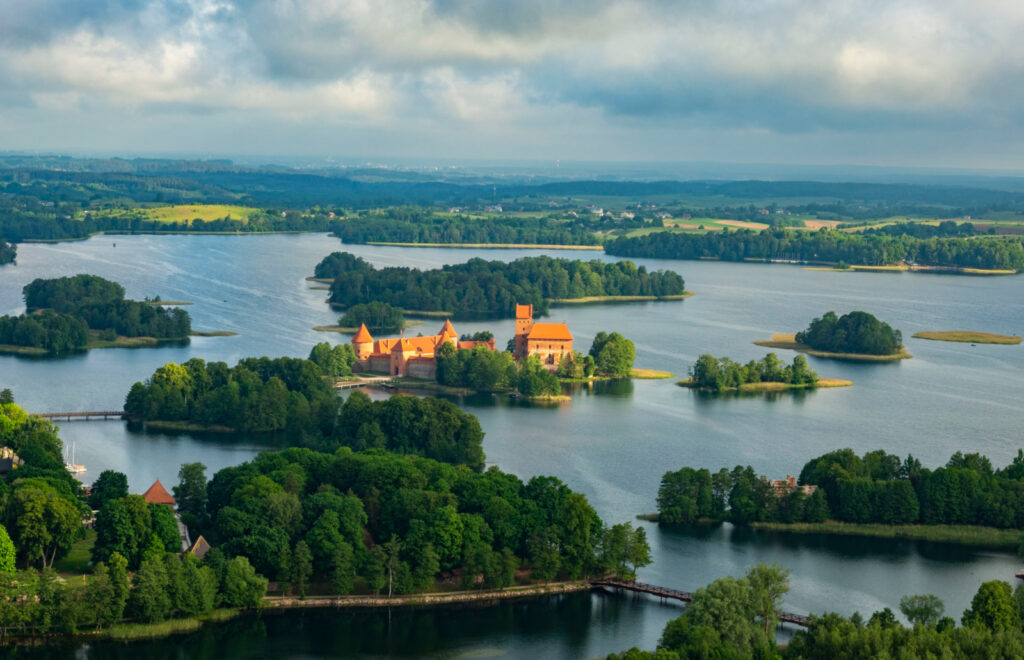
Lithuania has little to fear from a deeper Hormuz crisis

Alarm bells are ringing across Europe over a possible energy crisis triggered by the war in the Persian Gulf. Despite risks to its economy, Lithuania is better positioned than most European countries to weather global supply disruptions, and better prepared than at any point since 1990.

May 18, 2026 - Andrius Romanovskis

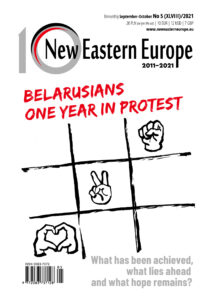
Punished for being abused: Belarusian controversy

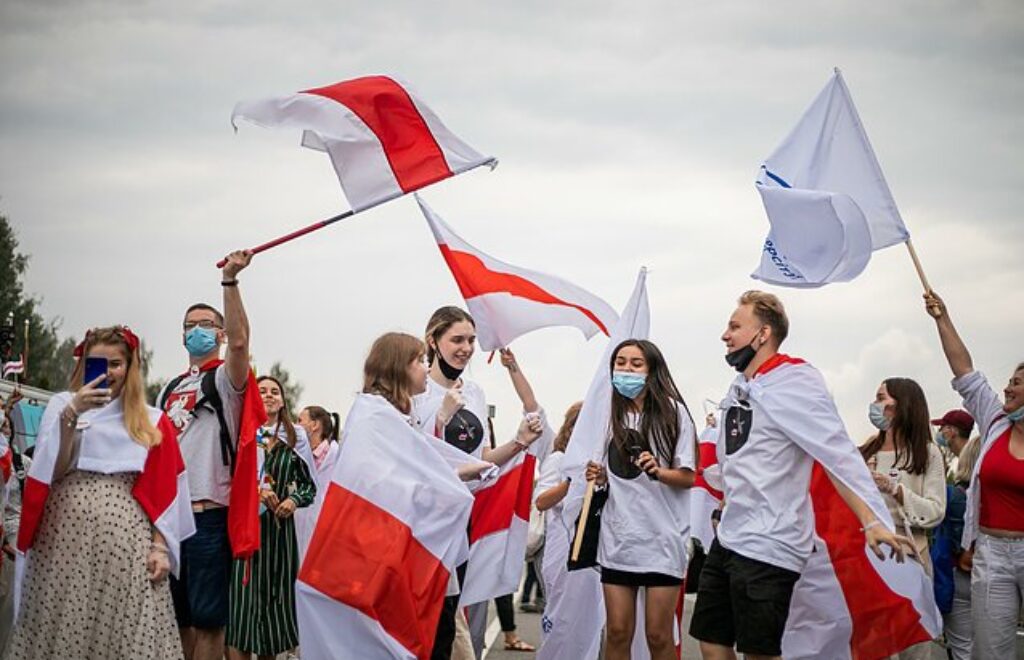
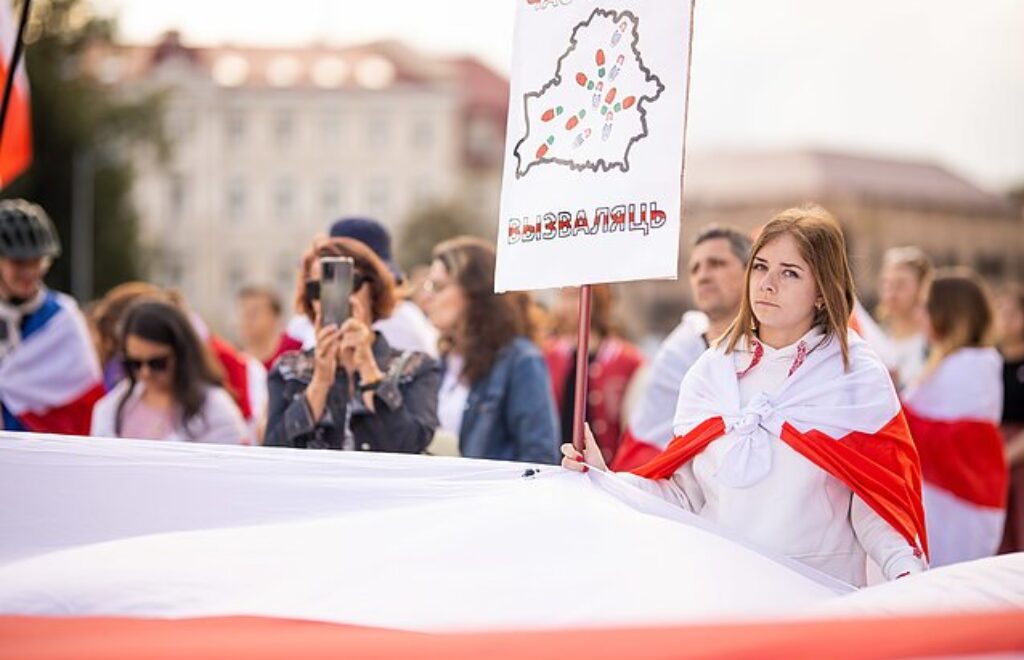
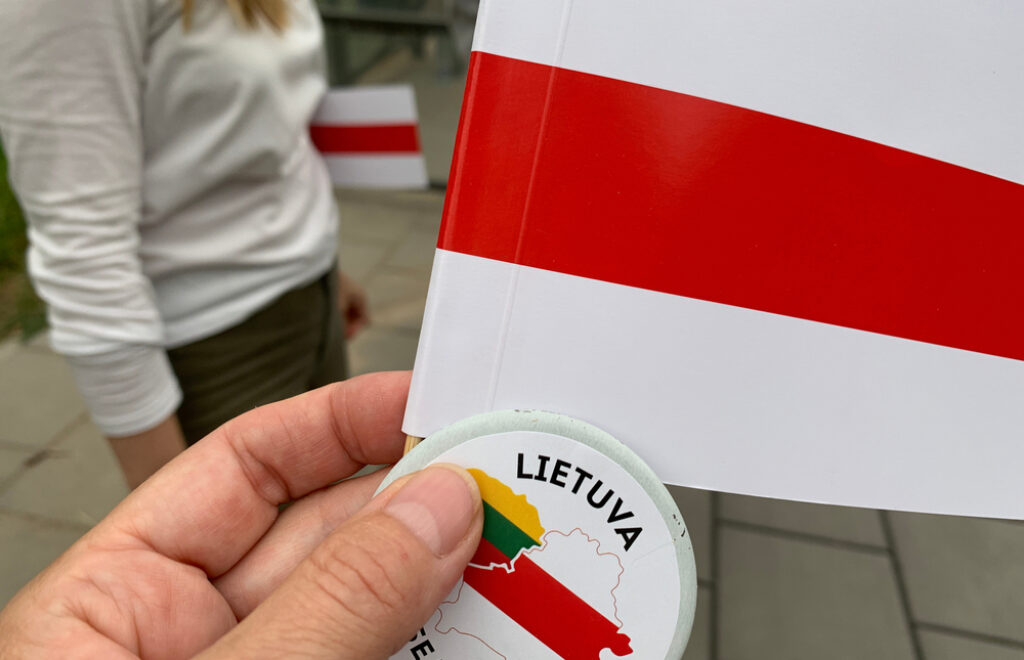
Gradually but decisively, the European Union is folding Belarus into the same category as Russia. The toughest measures are coming from states that share a border with Belarus. How did a society once seen as a victim of Europe’s most brutal dictatorship come to be regarded as complicit in its crimes?

February 23, 2026 - Nasta Zakharevich

Can a minority become a democratic test?

The Polish community in Lithuania is often portrayed as an artificial construct, lacking historical or cultural legitimacy, while “real” Polishness is implicitly associated with centres such as Warsaw or Kraków. These attitudes have contributed to a broader erosion of prestige and self-confidence within the minority. They have also encouraged a condescending – and at times openly mocking – view of Polish culture in Lithuania.

February 23, 2026 - Karolina Benedyk

Lithuania’s memory of communism

The opening of Grūtas Park, an open-air museum with statues from the Soviet era, in 2001 provoked considerable public debate, with leading politicians expressing both strong support and firm opposition. The arguments on both sides revealed a deeper societal divide over how to evaluate – and what to do with – the heritage of communism.

December 8, 2025 - Paweł Plichta

Politicians take aim at LRT – Lithuania’s public service broadcaster

Lithuania’s civil society, as well as journalist organisations and the Council of Europe, are raising alarm over what they say are worrying signs of politicians aiming to take control of the Lithuanian public broadcaster, LRT. First proposed by the Nemunas Dawn party, the move is now gathering support in the rest of the ruling coalition.

December 3, 2025 - Benas Gerdžiūnas

Disinformation in Lithuania’s political landscape

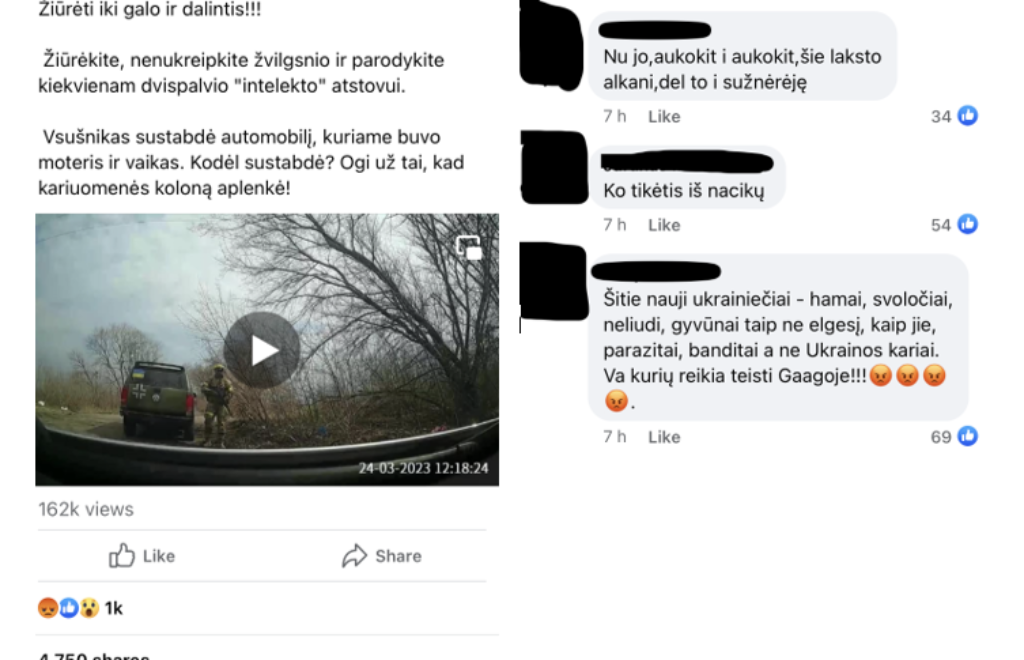
While Lithuania remains an enthusiastic member of western structures, fringe actors are encouraging doubt in this outlook. Often backed unofficially by the Kremlin, these forces aim to sow doubt regarding issues like aid to Ukraine and even the legitimacy of the Lithuanian state.

October 31, 2025 - Dominykas Rimaitis

Not just pushbacks: the controversial deforestation at the Lithuanian-Belarusian border

Illegal migration remains a key problem along the traditionally quiet border between Lithuania and Belarus. While Vilnius continues to push back migrants, it has also felled many ancient trees along the frontier. A delicate balance of rights concerns has subsequently emerged in the area.

August 5, 2025 - Giulia Pilia

The Polish-Lithuanian Commonwealth was far from being just “Poland”

A conversation with Tomas Venclova, Lithuanian philosopher and writer. Interviewer: Nikodem Szczyglowski
February 28, 2025 - Nikodem Szczygłowski Tomas Venclova

A pagan canary in a Catholic coal mine

All across Eastern Europe a decline in membership in long-established religions is being counterbalanced by rising interest in various alternative forms of religion and spirituality. The case and struggles of Romuva, a neo-pagan religious movement that claims that its traditions go back to the ancient period before the Christian conversion of Lithuania, illustrate the tensions between heritage, identity and modern religious norms.

In discussions on the development of democracy in post-Soviet societies in Eastern Europe, the role of religion is not often accorded great importance by political scientists. Yet, a more sociological perspective reveals that religion often serves as a driving factor in public sentiment, policy debates and political decisions. While the constitutions of Eastern European countries generally guarantee a generic freedom of religion, the question of how this freedom plays out for particular religious groups is far more complicated.

February 28, 2025 - Michael Strmiska

Baltic tensions rise as Russia’s “phantom fleet” strikes cables

As the threat of hybrid attacks in the Baltic Sea intensifies, NATO states are responding with Operation "Baltic Sentry".

February 26, 2025 - Théodore Donguy

Lithuanian foreign policy: new position or new direction?

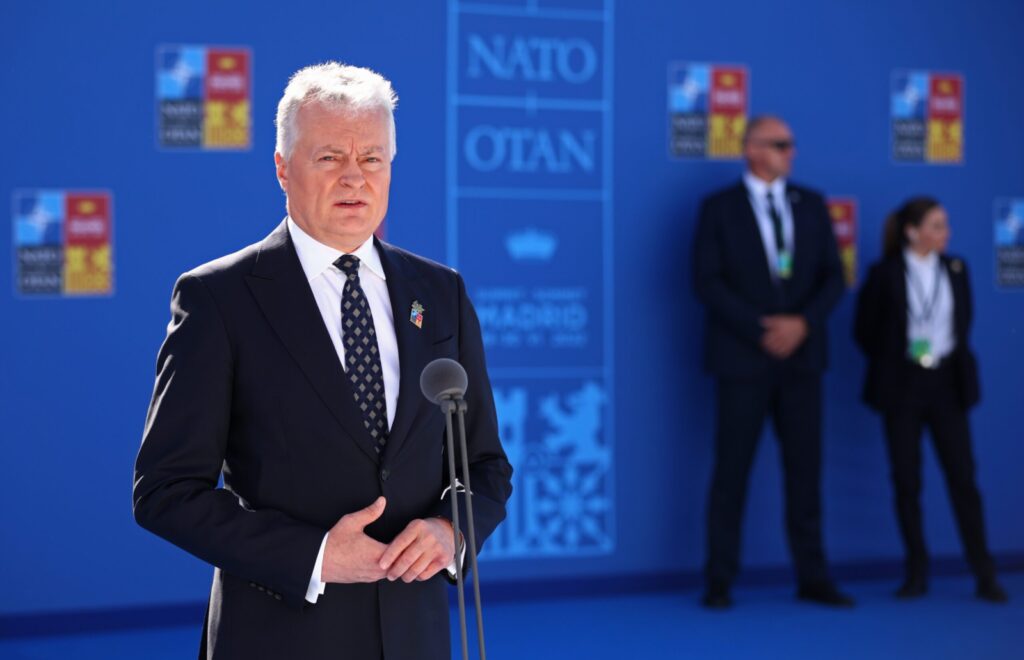
A change of government not only brings along new faces, but also novel solutions. Last year’s presidential and parliamentary elections in Lithuania showed the people’s will to transfer responsibility for foreign policy to President Gitanas Nausėda and his people. Does this mean a shift to another position or will it ensure the continuity of the country’s current direction?

February 7, 2025 - Paulius Gritėnas

EU fiscal rules are slowing down Lithuania funding its defences against Russia

Baltic countries like Lithuania want to spend more money on defence to help counter the Russian threat, but the European Union’s strict spending laws are standing in the way.

January 3, 2025 - Jasper Dietz

Partners

Terms of Use | Cookie policy | Copyryight 2026 Kolegium Europy Wschodniej im. Jana Nowaka-Jeziorańskiego 31-153 Kraków
Agencja digital: hauerpower studio krakow.
We use cookies to personalise content and ads, to provide social media features and to analyse our traffic. We also share information about your use of our site with our social media, advertising and analytics partners. View more
Cookies settings
Accept
Decline
Privacy & Cookie policy
Privacy & Cookies policy
Cookie name Active
Poniższa Polityka Prywatności – klauzule informacyjne dotyczące przetwarzania danych osobowych w związku z korzystaniem z serwisu internetowego https://neweasterneurope.eu/ lub usług dostępnych za jego pośrednictwem Polityka Prywatności zawiera informacje wymagane przez przepisy Rozporządzenia Parlamentu Europejskiego i Rady 2016/679 w sprawie ochrony osób fizycznych w związku z przetwarzaniem danych osobowych i w sprawie swobodnego przepływu takich danych oraz uchylenia dyrektywy 95/46/WE (RODO). Całość do przeczytania pod tym linkiem
Save settings
Cookies settings