Text resize: A A
Change contrast

Tag: Poland

Russian propaganda in Poland in the context of parliamentary elections

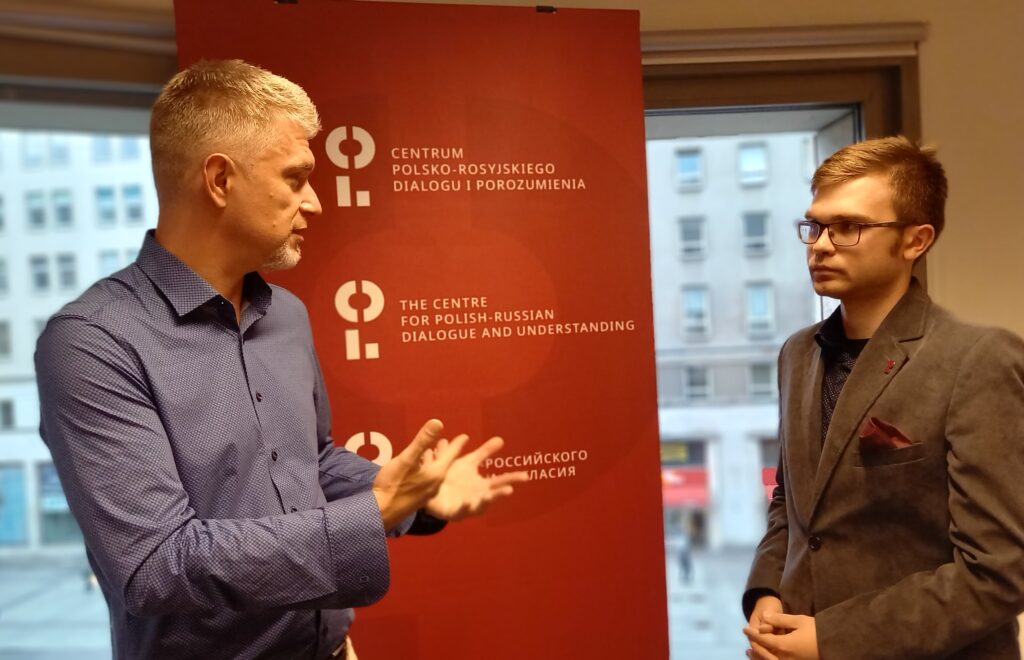
De facto pro-Russian communities are clearly consolidating in the context of the upcoming Polish parliamentary elections. The groups in question are made up of people who have contacts with entities linked to the Russian state. We can assume that the Russian Federation not only supports such groups through the Polish-language sources it runs, but also has influence on the activity of some of the people operating within these communities.

By mid-2022, the first activities of those promoting pro-Russian statements in the Polish information sphere were clearly perceptible, indicating the growing consolidation of a broad pro-Russian community with political ambitions. The start of 2023, especially the first weeks of the year, only further showed this to be the trend.

April 29, 2023 - Michał Marek

One country, two borders: how Poland differentiates narratives about migrants

Poland used various discursive practices to shape diverging social perceptions about two groups of migrants/refugees entering Poland: those crossing from Ukraine, on the one hand, and those crossing from Belarus on the other. The Polish government’s portrayal of the crisis on the Poland-Belarus border as a hybrid war, whilst helping Ukrainian refugees, was presented as being in line with Poland’s national interests.

Poland has been witnessing two very different waves of migration on its eastern border: the arrival of millions of Ukrainian refugees since February 2022, and the arrival of people, predominantly from the Middle East and Africa, through Belarus since June 2021. These two groups are quite different in their nature and origin and arouse different reactions both on part of the Polish authorities and broader society. While those fleeing Ukraine have been warmly welcomed, people trying to enter Poland via Belarus have been predominantly denied the right to apply for asylum and pushed back into Belarusian territory.

April 28, 2023 - Givi Gigitashvili

Noch ist Polen nicht verloren! Germany, Poland – and Ukraine?

There seems to be a widespread inability in Germany to look at oneself from the position of others and to accept the intricacies of history and memory and their influence on the present. But it is not only the perception of place in the past that is the problem. For some in Germany everything east of the Oder river today is still lumped together as “Eastern Europe”.

February 24th 1940, the concentration camp of Hohenbruch in East Prussia: on the eve of his 50th birthday, the Polish publisher, writer and activist Seweryn Pieniężny Jr. is beaten up, forced to dig his own grave and then, in his underwear, shot by Nazi guards. According to the writer Eugeniusz Tryniszewski, who published a short biography of Seweryn in 1987, his last words, shouted in German so his executors would understand, were “Noch ist Polen nicht verloren!”, Poland has not yet perished – the first line of the Polish national anthem.

April 28, 2023 - Marcel Krueger

Recipe for disaster: preparations for the First World War on the eastern side of Europe

Much is known about the infamous alliance system that led to the First World War. Ultimately dragging in all of Europe’s military powers, these agreements would lead to great battles typically associated with the Western Front. Despite this, the Eastern Front would prove to be equally bloody and conspiratorial, with the lands of modern Poland playing a central role.

Our imagination of past times is often influenced by cinema. This is probably the case as all topics we read about are preceded by cinematic imagination, which rules our thoughts and provides us with key visions of past events. This is especially true regarding the iconic topics of our European history, one of which is the formative event of the 20th century: The Great War of 1914-18.

April 28, 2023 - Andrzej Zaręba

The “Middle Matchstick”: on Poland’s “Recovered Lands”

For visitors to western Poland, the region may at first glance appear just as Polish as any other in the country. However, beyond this facade lies a strange story of alienation felt by those who call these lands their home.

March 13, 2023 - Samuel Tchorek-Bentall

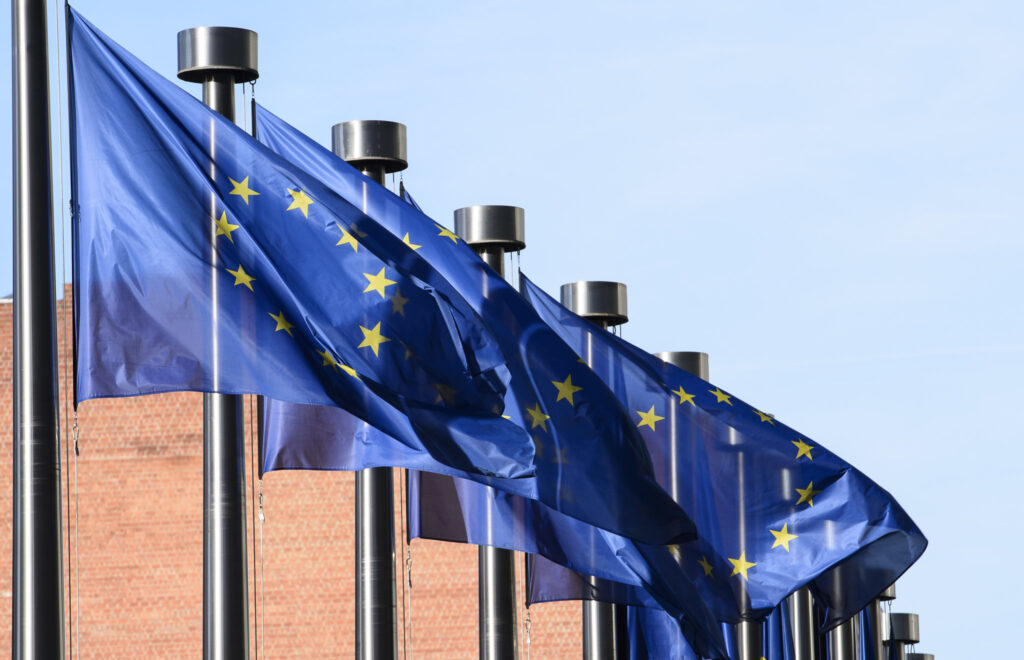
Germany, France, Poland and the future of the European Union

Numerous tensions, deepened by Russia’s war with Ukraine, high inflation and the energy crisis, generate our anxiety about the future of the European project. Especially as the proposals that are put forward may actually lead to a greater fragmentation and further “unsealing” of the European Union. This, in turn, can only impede its further development.

March 9, 2023 - Eugeniusz Smolar

The easy times are behind us, but we are not giving up

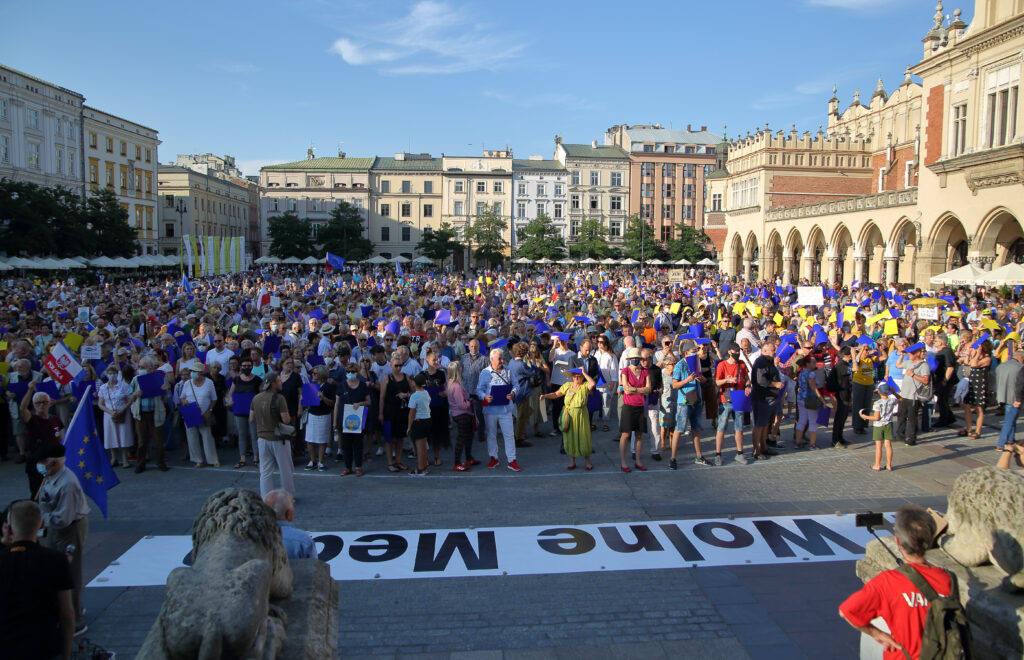
Poland responded generously to the mass inflow of refugees from Ukraine as Russia invaded in February last year. However, the need for help continues with every day of the war. While times are indeed hard for the country’s army of volunteers, they are determined to continue aiding people in their time of need.

Right before the end of 2022 the vice chairman of the Polish Development Fund, Bartosz Marczuk, published a tweet in which he presented the amount of money that Poland had spent on helping Ukraine since the beginning of the Russian aggression on February 24th. The data that he presented showed that altogether in 2022 it was between 35 and 40 billion Polish zlotys, which is between 7.5 and 8.5 billion euros. Out of it, ten billion zlotys were spent on weapons, six billion amounted to state support for Ukrainian refugees (including support for children), around ten billion was spent by local governments and non-governmental organisations, and another ten billion was made up of the private help of the Polish people.

February 16, 2023 - Iwona Reichardt

The outcome of the war is crucial not only for the future of Ukraine

An interview with Arkady Rzegocki, Head of the foreign service of the Polish ministry of foreign affairs. Interviewer: New Eastern Europe

February 15, 2023 - Arkady Rzegocki New Eastern Europe
This play is a political and social reflection

An interview with Ishbel Szatrawska, a Polish writer and playwright. Interviewer: Łukasz Dąbrowiecki
ŁUKASZ DĄBROWIECKI: Your drama titled “The Life and Death of Mr. Hersh Libkin of Sacramento, CA” is unique, firstly, because dramas are rarely printed in book form before they are staged.

ISHBEL SZATRAWSKA: In Poland, yes.

But also because many readers perceive it in a cinematic way. I myself got the impression that it has the dynamics of an American movie from the 1990s. Am I correct in seeing it as a product of your fascination with cinema?

There is no denying that all the dramas that I have written have, at least in part, these cinema-style dynamics. I attended film studies at the Jagiellonian University for a while and film school for two years. Film was my first love, while theatre came second, and sort of by chance. After high school, I was wondering whether to apply to the famous Polish film school in Łódź. Finally, I decided to do theatre studies in Kraków at the Jagiellonian University, which was also interesting and inspiring.

February 15, 2023 - Ishbel Szatrawska Łukasz Dąbrowiecki

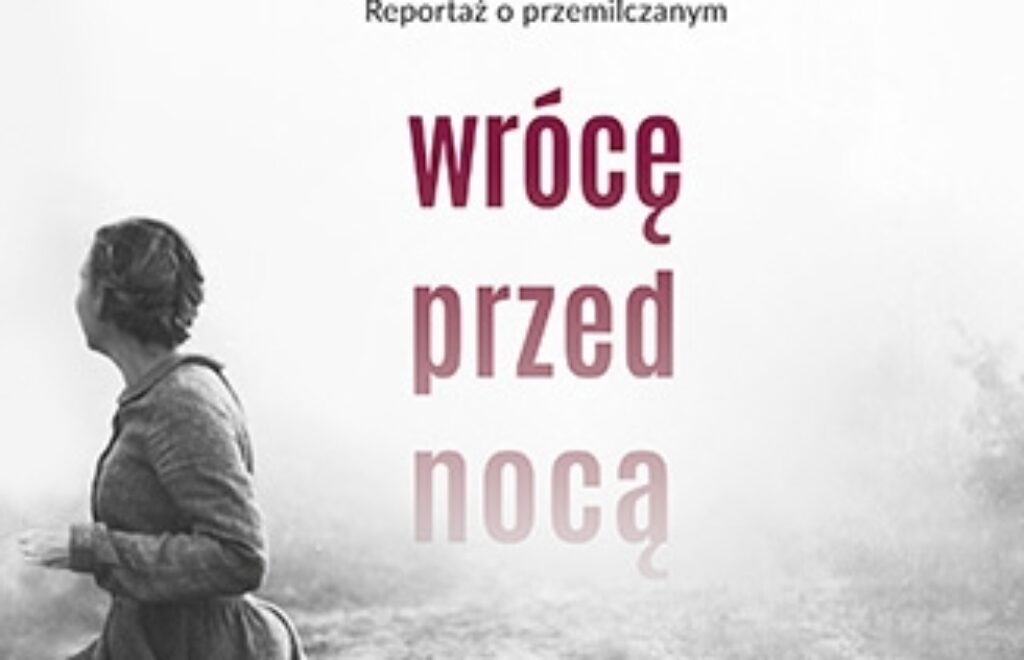
How well-brought up girls became unbeatable warriors. The path from battle glory to modern feminism

The role of women in conflict is often viewed as being on the home front, far away from the front lines of battle. Despite this, the story of Poland’s struggle for independence in the First World War would not be complete without acknowledging the selfless activities undertaken by female volunteers.

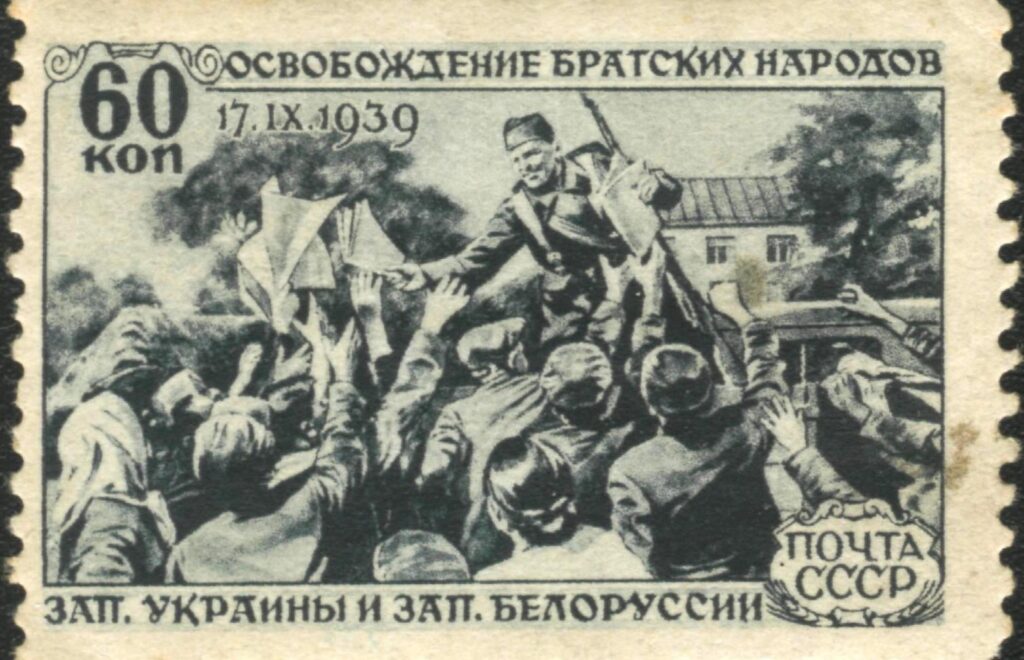
One hundred and ten years ago war again came to the vicinity of the city of Kraków. What is now perceived in the West as an unparalleled tragedy, the near collapse of a civilisation and a catastrophe of lost youth was perceived then as a different story, on the verge of three empires: German, Austro-Hungarian and Russian. The outbreak of war marked the end of an unbelievable stability which had lasted more or less since the compromising political treaty conference in Vienna in 1815, with only a short interval for the so-called “Hundred Days” campaign with the Battle of Waterloo in June of the same year – a battle which marked the end of the epic connected to the revolutionary export of Napoleonic civilisation.

February 15, 2023 - Andrzej Zaręba

Poland should be a supportive partner towards Germany instead of a scoffer

The anti-European and anti-Teutonic phobias of the ruling party are perilous for Polish interests.

January 5, 2023 - Eugeniusz Smolar

What Germany does not know

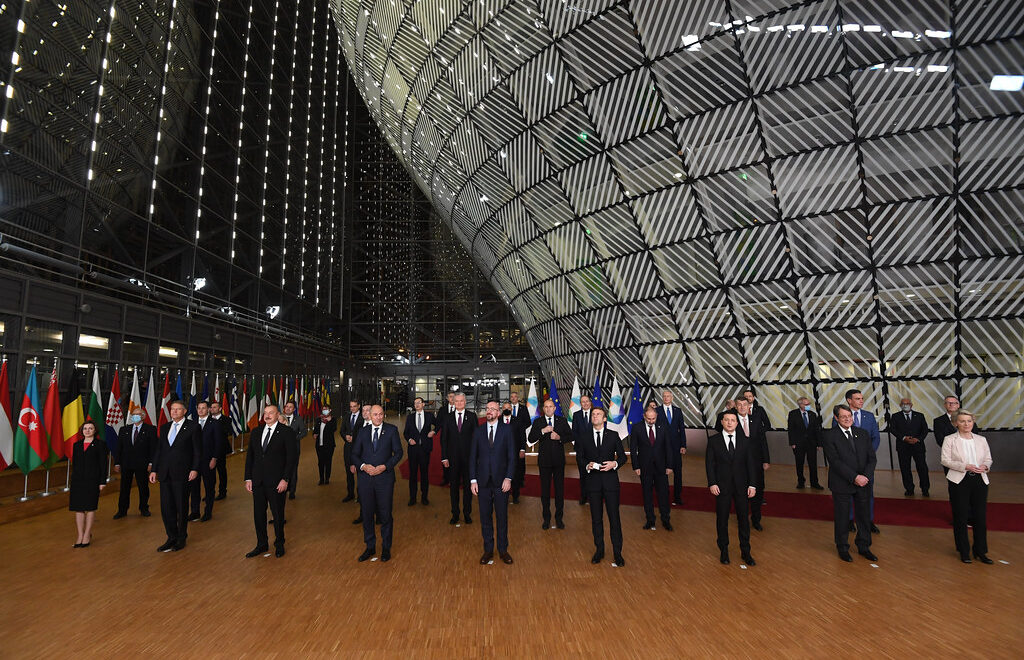
The end of the balance of power in the EU with policies decided by so-called “old Europe” could be one key consequence of the Russian invasion of Ukraine. This ongoing shift needs to result in a strategic alliance between Poland and Germany. However, is this possible?

December 14, 2022 - Anna Kwiatkowska

Partners

Terms of Use | Cookie policy | Copyryight 2026 Kolegium Europy Wschodniej im. Jana Nowaka-Jeziorańskiego 31-153 Kraków
Agencja digital: hauerpower studio krakow.
We use cookies to personalise content and ads, to provide social media features and to analyse our traffic. We also share information about your use of our site with our social media, advertising and analytics partners. View more
Cookies settings
Accept
Decline
Privacy & Cookie policy
Privacy & Cookies policy
Cookie name Active
Poniższa Polityka Prywatności – klauzule informacyjne dotyczące przetwarzania danych osobowych w związku z korzystaniem z serwisu internetowego https://neweasterneurope.eu/ lub usług dostępnych za jego pośrednictwem Polityka Prywatności zawiera informacje wymagane przez przepisy Rozporządzenia Parlamentu Europejskiego i Rady 2016/679 w sprawie ochrony osób fizycznych w związku z przetwarzaniem danych osobowych i w sprawie swobodnego przepływu takich danych oraz uchylenia dyrektywy 95/46/WE (RODO). Całość do przeczytania pod tym linkiem
Save settings
Cookies settings