
Text resize: A A
Change contrast

What role can Romania play in facilitating Western Balkan integration?

Recent geopolitical developments have resulted in renewed discussions on the enlargement of the European Union – including in the Western Balkans. Many factors will determine how these talks go in 2024 but some local actors may have significant input. Through its experience, Romania can be one of these actors and play a unique role in this process.

The new geopolitical context stemming from Russia’s ongoing brutal war on European soil has had profound effects on the geopolitical dynamics of the European Union’s enlargement. After many years of inertia and stagnation, enlargement seems to be back at the top of the EU agenda. The geopolitical decision made by the European Council in June 2022 to grant Ukraine and Moldova candidate status was followed by the (re-)opening of previously stagnating accession negotiations with the countries of the Western Balkans (Albania and various ex-Yugoslav states).

February 7, 2024 - Marius Ghincea Miruna Butnaru-Troncotă - AnalysisIssue 1-2 2024Magazine

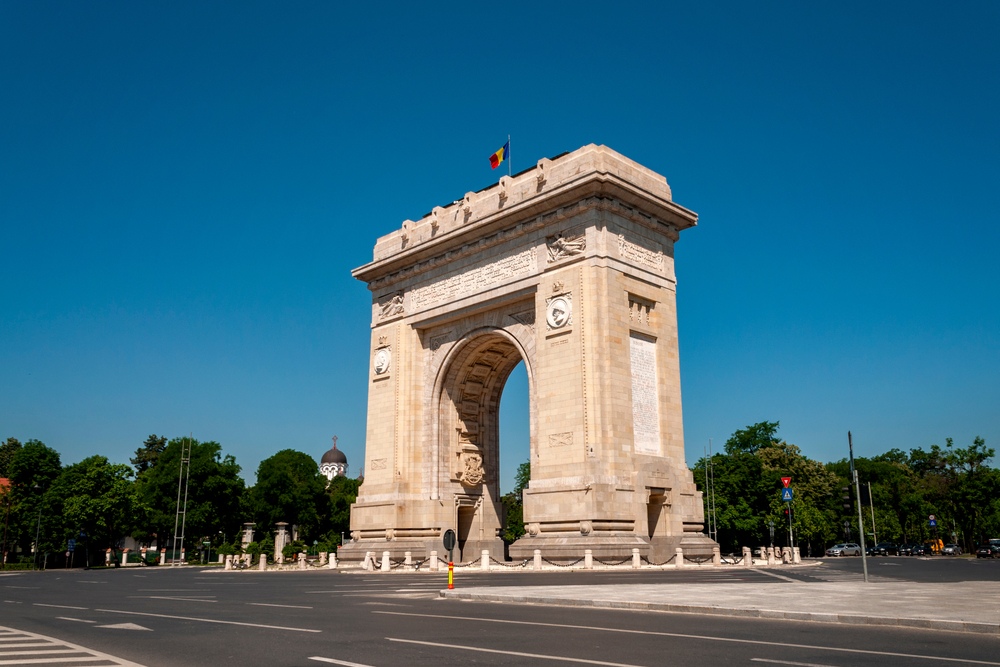
Triumphal Arch in Bucharest Romania. Photo: Victor Moussa / Shutterstock


This was further supported by the most recent decision in December 2023 to move the process further and start negotiations with Ukraine and Moldova, despite divisions among member states.

The year 2024 will see a redistribution of power in the EU after the European elections in June. The topic of enlargement, together with the evolving geopolitical issues in the EU’s strategic neighbourhood, will remain high on the agenda. Some EU states and their citizens resist enlargement in the Western Balkans on geopolitical grounds, pleading for a “business as usual” model. In contrast, others fervently advocate for an accelerated process, a model of exceptional fast-track accession that would allow certain exceptions to EU conditionality. This would help the countries get closer to EU membership and avoid the deterioration of their geopolitical status. Romania, while a key regional player supporting the accession prospects of these countries, has a clear role in the larger mosaic of influences and challenges that define the Western Balkans’ path toward EU integration. What is Romania’s role in the next steps of EU integration in the Western Balkans and what should we expect from its foreign policy position in 2024?

This article is for members only

Join the New Eastern Europe community to unlock this article — plus enjoy full access to premium content, our digital archive, newsletter insights, and podcast updates.

BECOME A MEMBER!

Already a member? Sign in to read the full article.

, ,

Partners

Terms of Use | Cookie policy | Copyryight 2025 Kolegium Europy Wschodniej im. Jana Nowaka-Jeziorańskiego 31-153 Kraków
Agencja digital: hauerpower studio krakow.
We use cookies to personalise content and ads, to provide social media features and to analyse our traffic. We also share information about your use of our site with our social media, advertising and analytics partners. View more
Cookies settings
Accept
Decline
Privacy & Cookie policy
Privacy & Cookies policy
Cookie name Active
Poniższa Polityka Prywatności – klauzule informacyjne dotyczące przetwarzania danych osobowych w związku z korzystaniem z serwisu internetowego https://neweasterneurope.eu/ lub usług dostępnych za jego pośrednictwem Polityka Prywatności zawiera informacje wymagane przez przepisy Rozporządzenia Parlamentu Europejskiego i Rady 2016/679 w sprawie ochrony osób fizycznych w związku z przetwarzaniem danych osobowych i w sprawie swobodnego przepływu takich danych oraz uchylenia dyrektywy 95/46/WE (RODO). Całość do przeczytania pod tym linkiem
Save settings
Cookies settings