
Text resize: A A
Change contrast

Tag: Balkans

Solidarity in crisis offers hope for a peaceful Balkan future 

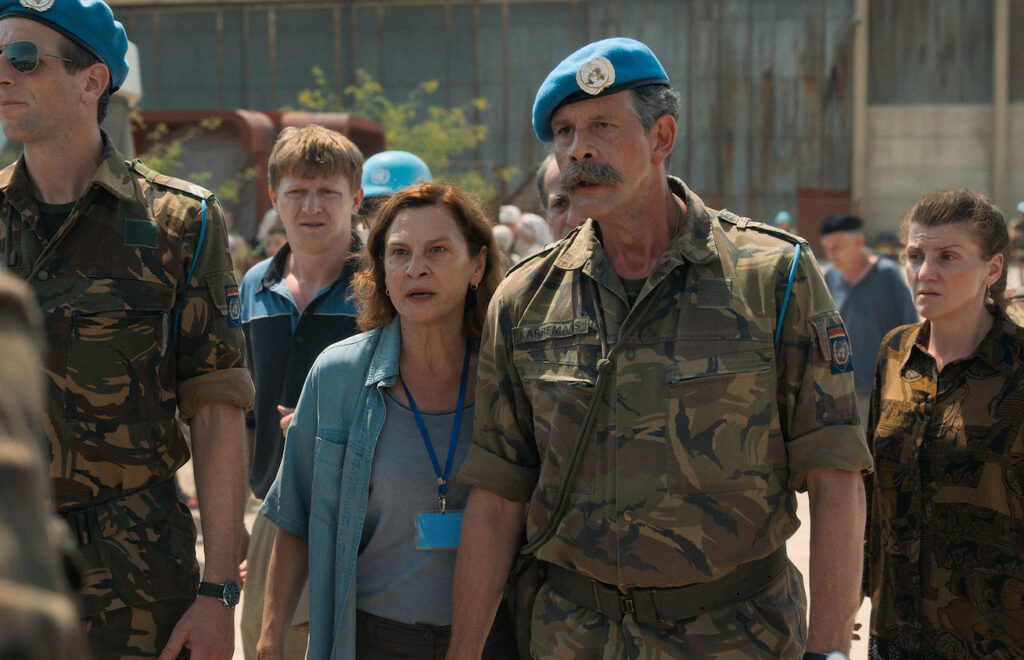
The Balkans unfortunately remains marred by tensions tied to highly contested historical events. Despite this, the widespread goodwill shown in the face of the recent nightclub fire in North Macedonia offers a different and more optimistic view on the region.

April 8, 2025 - Bojan Lazarevski

Seeing the present in the past: Byzantium and the Balkans

The legacy of the Byzantine Empire in the Balkans stretches back for centuries. Today’s politics should remember that the idea of Balkan states as homogenous entities is not natural. This is a relatively new idea that was realized through violence, population exchanges and expulsion at the turn of the 20th century. This process then continued well into the 1990s with the Yugoslav Wars.

The Byzantine Empire is the medieval successor to the ancient Roman Empire. Its origins are traditionally traced back to the time when the Roman Empire began to re-position its centre of power towards the Eastern Mediterranean, adopted Constantinople as its capital, adopted Greek (rather than Latin) as its primary language, and Christianity as its official religion. This all roughly happened in the period between the years 300 and 400.  

February 28, 2025 - Mirela Ivanova

Post-election Kosovo plunges into the unknown as western allies wane

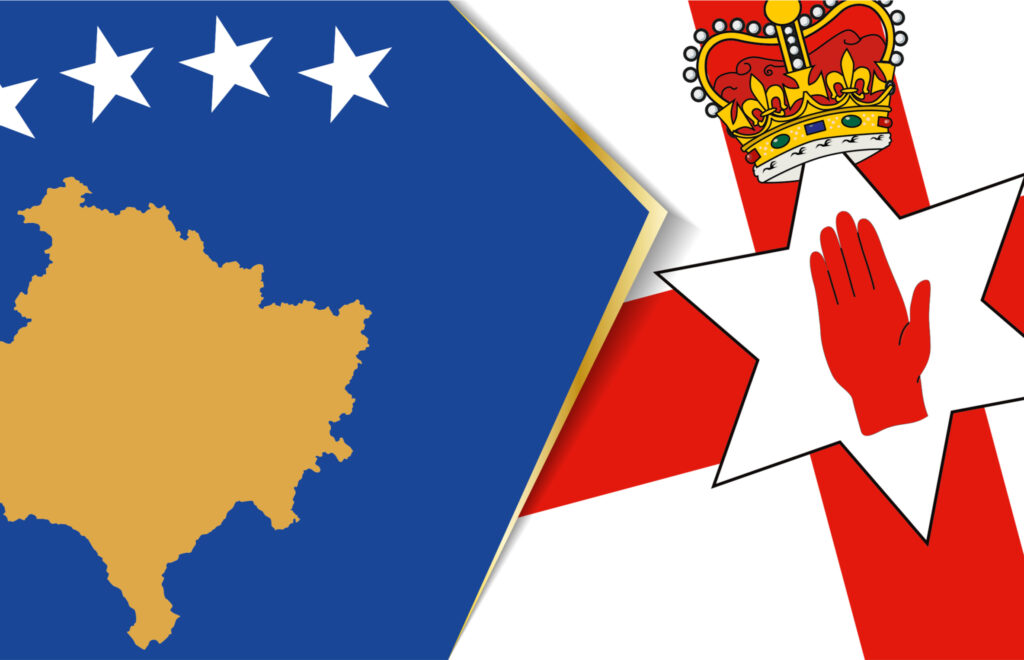
Kosovo’s recent election has brought up various questions regarding the country’s future. A search is now underway to determine how a majority can be formed in parliament, with the incumbent Albin Kurti likely to continue his leadership. At the same time, such developments could well have an impact on the nation’s relationship with western states.

February 20, 2025 - Alejandro Esteso Pérez

On narratives and fairytales: Serbia’s authoritarian leader’s playbook

The student protests that have shaken Serbian society in the wake of the Novi Sad disaster have so far led to only symbolic government changes. But the system itself remains intact and will not face a true reckoning without a direct confrontation with the political machinery built by President Vučić and his inner circle—a system sustained as much by repression as by a carefully crafted disinformation playbook.

February 13, 2025 - Leon Hartwell

Serbian students in the fight against the authoritarian regime

Serbia is currently experiencing a wave of protests following the death of 15 people in Novi Sad. The collapse of a canopy at the city’s railway station has led students to take to the streets across the country to fight for a better future.

January 29, 2025 - Tatjana Đorđević

Serbia’s shrinking civic space needs international attention

In recent months, Serbia has witnessed an alarming crackdown on its civic space. This has unfolded through a wave of arrests, smear campaigns, and repressive tactics aimed at silencing dissent and undermining democratic principles. These actions, exacerbated by growing Russian and Chinese influence, reveal a systematic effort of Serbia’s authorities to suppress civil society and stifle public dissent.

January 13, 2025 - Alma Mustajbašić Dragoslava Barzut

“Serbs suffer from some kind of eternal victim syndrome”

Interview with Ivan Milenković, Serbian philosopher and literary scholar. Interviewers: Iwona Reichardt and Nikodem Szczygłowski.

December 22, 2024 - Ivan Milenković Iwona Reichardt Nikodem Szczygłowski

Serbia: the construction accident that triggered nationwide protests

The construction disaster at the railway station in Novi Sad is much more than a tragic accident. It is a symbol of the incompetence and corruption of the current regime in Serbia. This undermines the main elements of government propaganda, which state that infrastructure investment will bring prosperity to the society.

December 21, 2024 - Marta Szpala

Conscription mandates would be a disaster for Balkan entrepreneurs

Imagine being 27 years old, with a good job, a mortgage for an apartment, a wife, and two children, and suddenly receiving a call-up to mandatory military service with a compensation of 900 euros. This could soon become a reality for some men in Serbia and Croatia.

November 4, 2024 - Tea Kljajić

Belgrade hosts the first All-Serb Assembly

Ethnonationalist politics are once again on the rise in the Western Balkans. The leaderships of both Serbia and Republika Srpska recently organized a rally for Serbs of the region, to provide a platform for ethnocratic and irredentist ambitions. This development cast an eye on the concerning erosion of EU leverage in the last years, which has consequences for the whole region.

July 8, 2024 - Grégoire Soria-Metais

Our Serbian friend, the genocide glorifier-in-chief

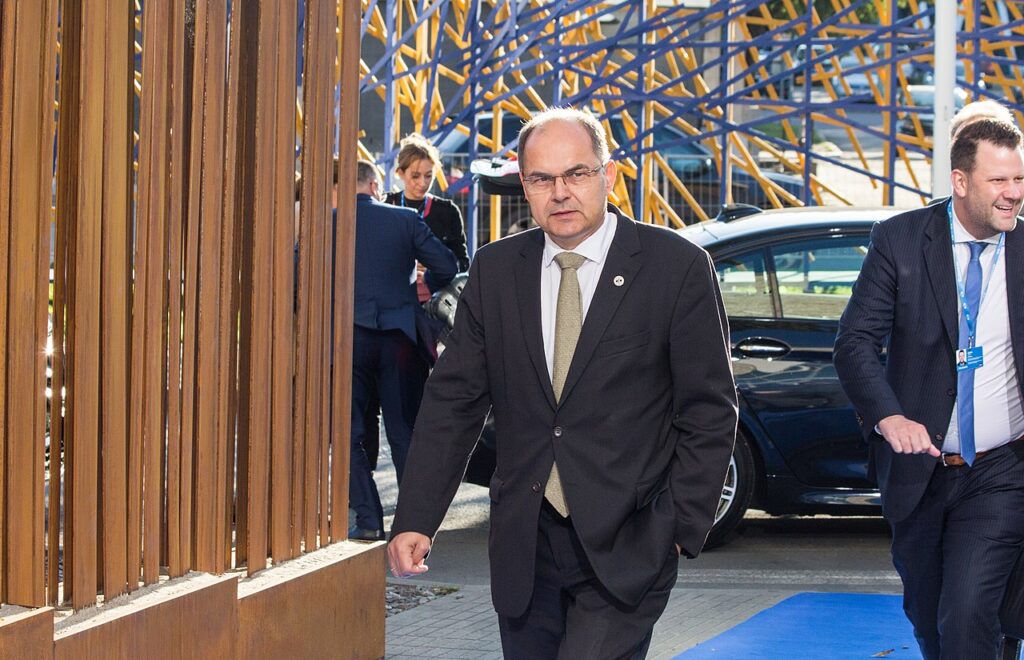
The West continues to view Serbia’s President Aleksandar Vučić as a key partner in the region despite his long history of denying that acts of genocide were committed throughout the Balkans, and that his ongoing actions threaten regional stability. It is imperative that western governments reconsider their relationship with Serbia’s authoritarian leader.

July 1, 2024 - Leon Hartwell

In Croatia, ecology and art mend the wounds of the past

At the age of 36, Vladimir Miketa retains few memories of the war and his past. However, what bothers him most is people’s attitude towards the environment in his area and how authorities manage waste in the region. As a passionate mountaineer and nature lover, he often explores the surrounding area during his hikes. It was during one of these excursions that he discovered a road leading to the village of Lončari.

Before the war in Croatia between 1991 and 1995, the small village of Lončari, situated in the central part of the country and belonging to Zadar County, was home to approximately 120 people, primarily of Serbian nationality. After they fled in 1995 following the military operation “Storm”, during which the Croatian army liberated a significant portion of territory previously under the control of Serbian rebels, the homes inhabited by Serbians remained abandoned for years. Many of these homes were used as stables by local residents, who kept goats and sheep in them.

June 22, 2024 - Tatjana Dordevic

Partners

Terms of Use | Cookie policy | Copyryight 2026 Kolegium Europy Wschodniej im. Jana Nowaka-Jeziorańskiego 31-153 Kraków
Agencja digital: hauerpower studio krakow.
We use cookies to personalise content and ads, to provide social media features and to analyse our traffic. We also share information about your use of our site with our social media, advertising and analytics partners. View more
Cookies settings
Accept
Decline
Privacy & Cookie policy
Privacy & Cookies policy
Cookie name Active
Poniższa Polityka Prywatności – klauzule informacyjne dotyczące przetwarzania danych osobowych w związku z korzystaniem z serwisu internetowego https://neweasterneurope.eu/ lub usług dostępnych za jego pośrednictwem Polityka Prywatności zawiera informacje wymagane przez przepisy Rozporządzenia Parlamentu Europejskiego i Rady 2016/679 w sprawie ochrony osób fizycznych w związku z przetwarzaniem danych osobowych i w sprawie swobodnego przepływu takich danych oraz uchylenia dyrektywy 95/46/WE (RODO). Całość do przeczytania pod tym linkiem

Save settings
Cookies settings