Text resize: A A
Change contrast

Tag: Balkans

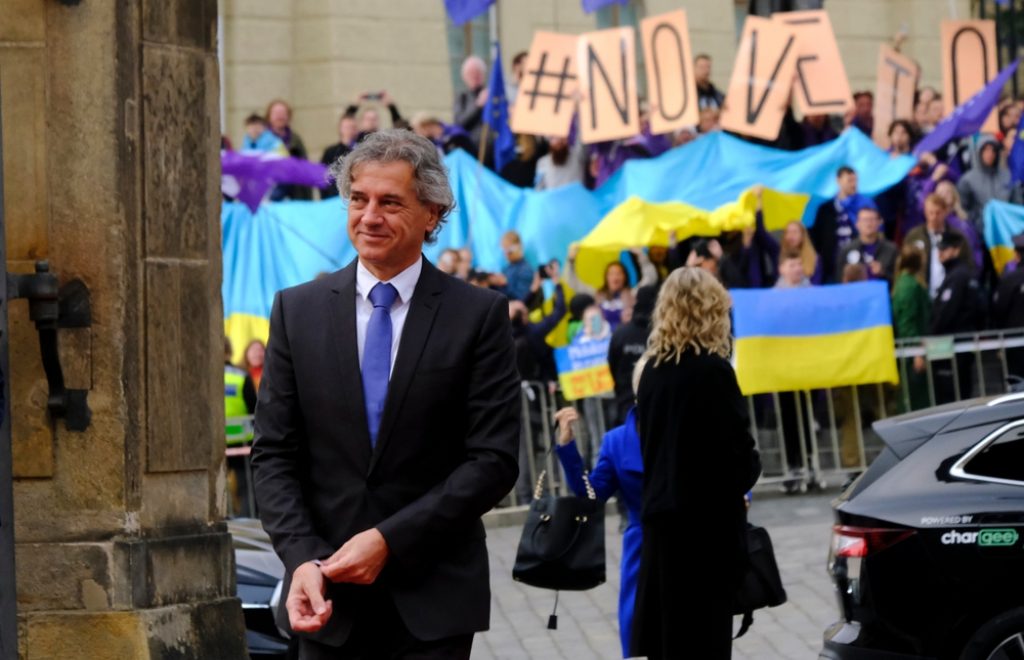
Old problems and modern solutions: technology and the struggle for election integrity in Bosnia and Herzegovina 

Electoral issues in Bosnia remain a key issue in the country’s attempts to adopt wider European standards. While issues concerning corruption persist, there have also been calls to implement technology within voting. If implemented correctly, such changes could help inspire trust in a system mired in uncertainty.

February 5, 2026 - Suljo Ćorsulić

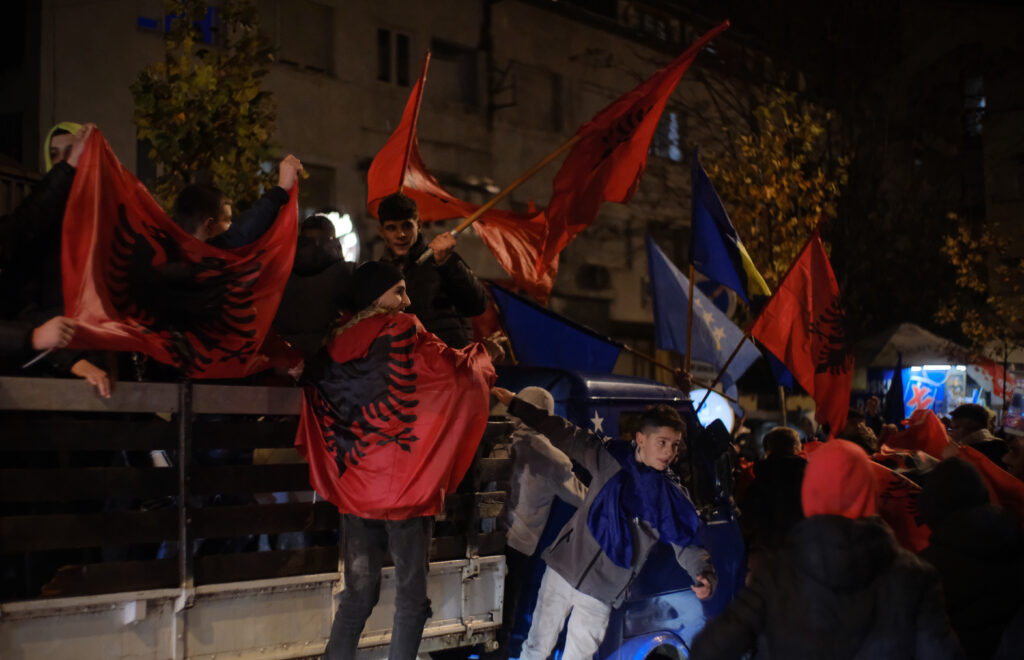
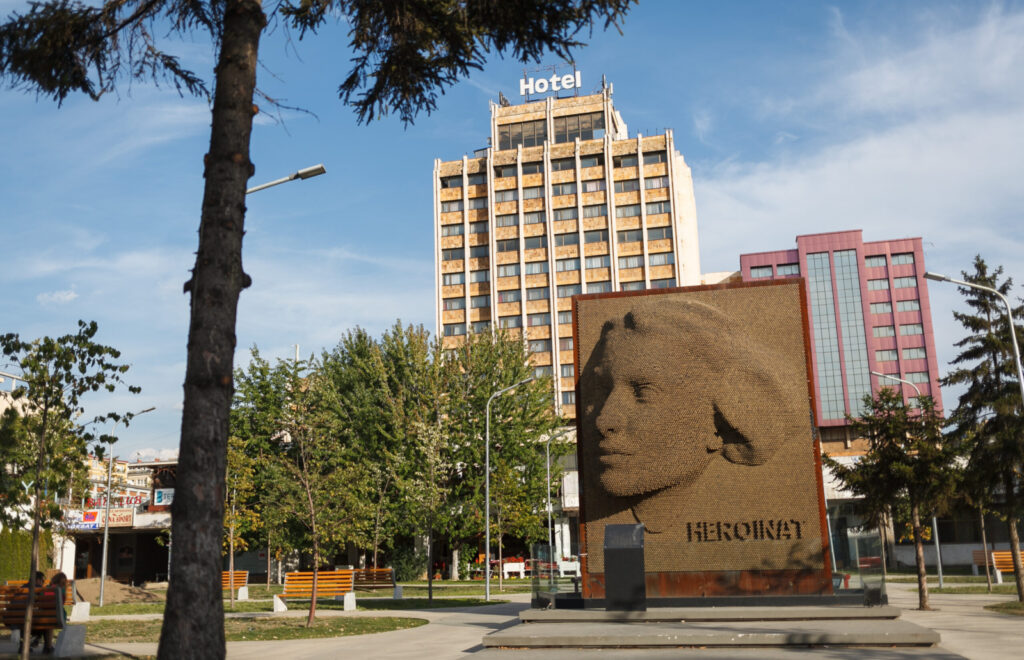
“The village of war widows”: how women in Kosovo rebuilt life after war

Among financial insecurity and taboos, 27 years on, the challenges facing survivors of Kosovo’s war serve as a warning for other conflicts.

January 14, 2026 - Lola García-Ajofrín

Serbia: “The government’s “expecting violence” rhetoric is a clear warning sign… that they’re preparing to create it.”

An interview with Jovana Spremo, Advocacy Director at the Lawyers’ Committee for Human Rights (YUCOM). Interviewer: The Human Rights House Foundation.

November 21, 2025 - Jovana Spremo The Human Rights House Foundation

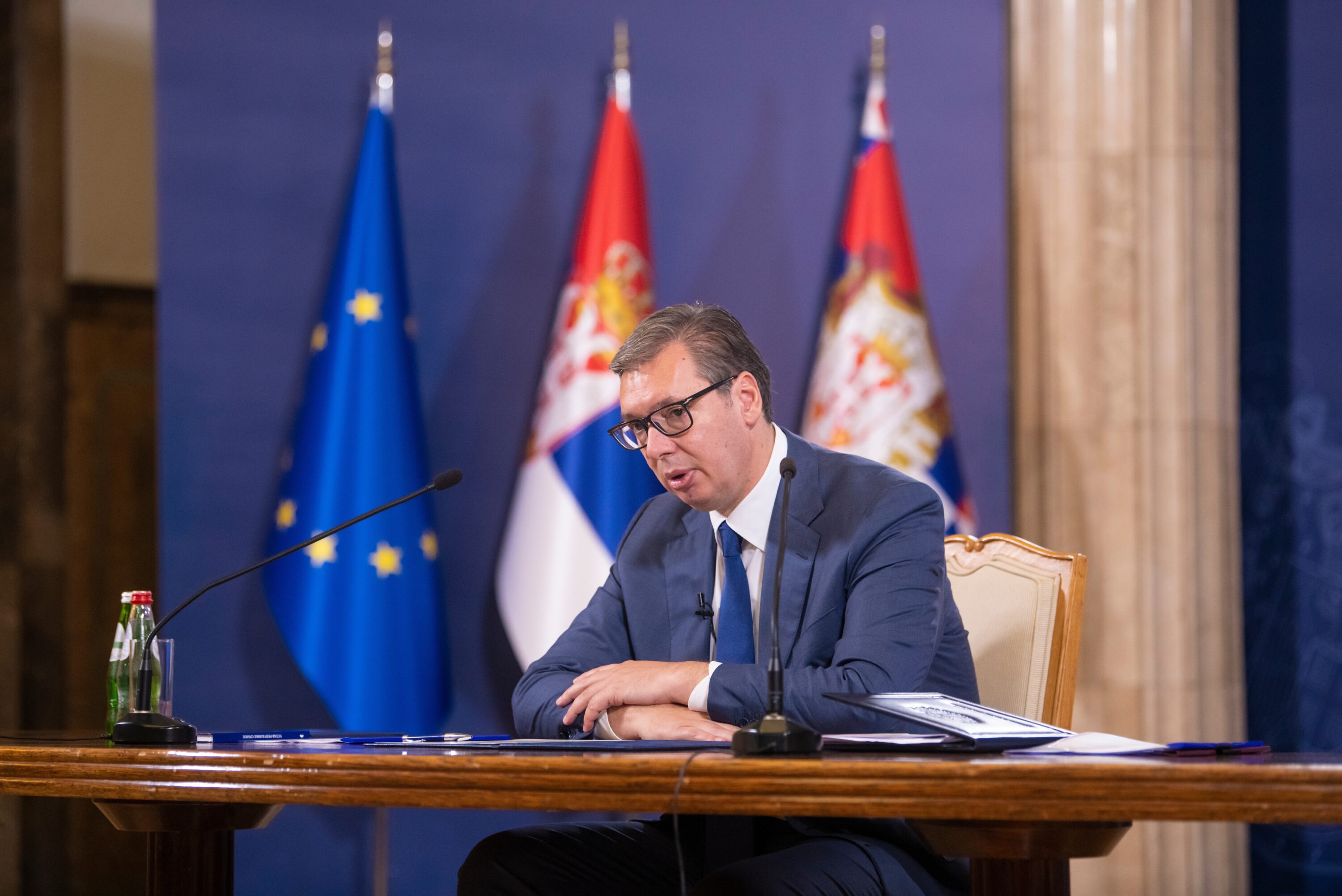
Sanctions against Serbia’s Petroleum Industry pose a challenge for Vučić

Aleksandar Vučić has for many years been trying to balance between East and West, maintaining close ties with Russia, cultivating good relations with the United States, and simultaneously striving for EU membership. However, such a balance is becoming increasingly difficult to maintain – and the Serbia’s Petroleum Industry case is a vivid confirmation of this.

November 20, 2025 - Ivan Zhyhal

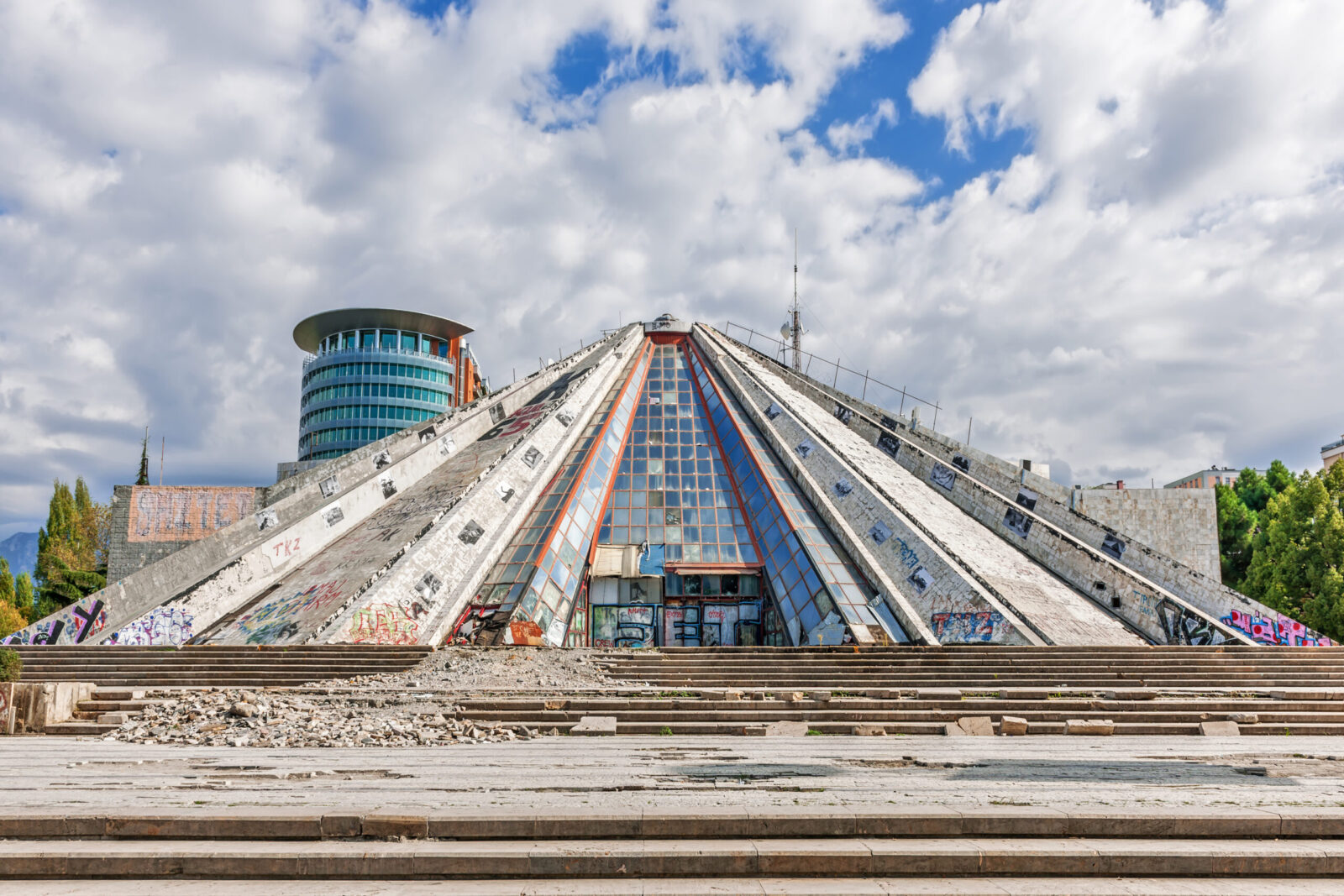
Bosnia’s state property: the frontline of sovereignty and Europe’s security

Few issues in Bosnia and Herzegovina carry as much weight for the country's sovereignty, stability, and Euro-Atlantic future as the question of who controls its state property. At first glance, it might seem a technical or legal matter. In reality, it is a geopolitical battleground that could determine whether Bosnia drifts toward Europe or becomes an outpost for outside powers.

October 23, 2025 - Erdin Kadunić

The quiet return of the diaspora – why more and more Bosnians are moving back home

Bosnia and its neighbours have traditionally faced issues with large segments of their populations moving abroad. However, this could well be changing. Attracted by improvements in quality of life, many diaspora members are thinking of returning to their homeland.

August 13, 2025 - Erdin Kadunić

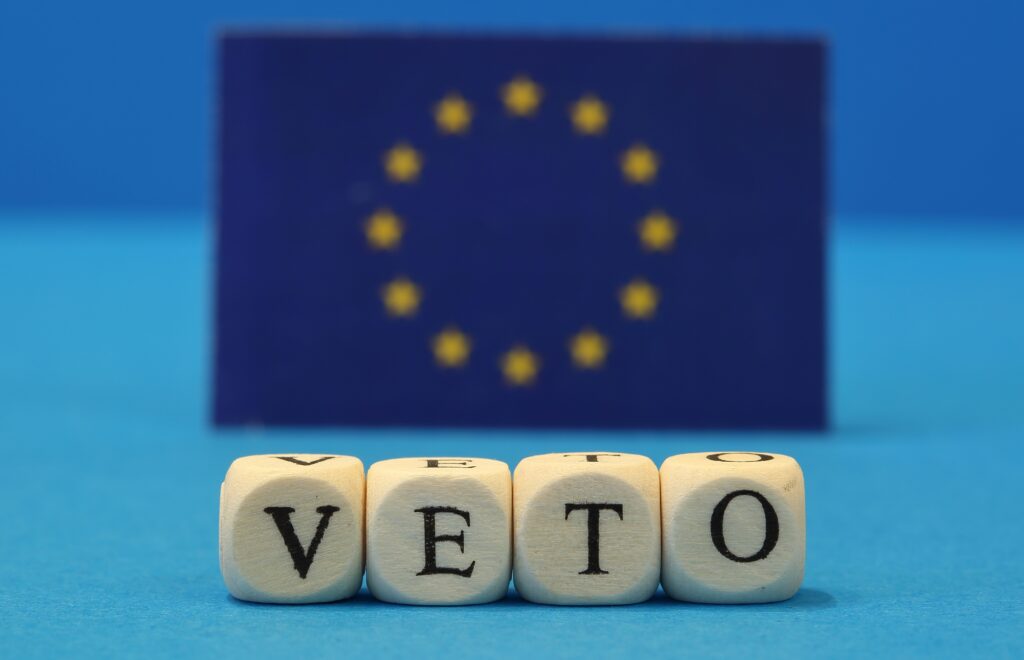
The Kosovo-Serbia dispute amid global turmoil: a defining test for the EU

Ongoing disagreement between Kosovo and Serbia remains a key geopolitical issue for the EU. Much like in Ukraine, the ability of Brussels to produce tangible results will decide whether or not it can operate effectively in its neighbourhood well into the future.

June 20, 2025 - Maša Ocvirk Visar Xhambazi

Ending the OHR’s “Bonn Powers” to save Bosnia and Herzegovina (again)

The complex legal setup governing Bosnia and Herzegovina now appears to be in need of an update. While the system has brought stability to a country still dealing with the legacy of war, it is now creating more problems that it is capable of solving.

May 30, 2025 - Ivan Pepic

Bulgaria’s Eurozone games

The circumstances surrounding a proposed initiation of a referendum on Bulgaria's entry date to the Eurozone are symptomatic of the country's rule of law decay.

May 20, 2025 - Radosveta Vassileva

Jetztzeit is now: democratic erosion from above, civic resistance from below

Ongoing protests across the Balkans and neighbouring countries are starting to look like a wider phenomenon. These demonstrations appear emblematic of a shared response to issues of democratic backsliding seen across the region.

April 24, 2025 - Marina Milić

Solidarity in crisis offers hope for a peaceful Balkan future 

The Balkans unfortunately remains marred by tensions tied to highly contested historical events. Despite this, the widespread goodwill shown in the face of the recent nightclub fire in North Macedonia offers a different and more optimistic view on the region.

April 8, 2025 - Bojan Lazarevski
Seeing the present in the past: Byzantium and the Balkans

The legacy of the Byzantine Empire in the Balkans stretches back for centuries. Today’s politics should remember that the idea of Balkan states as homogenous entities is not natural. This is a relatively new idea that was realized through violence, population exchanges and expulsion at the turn of the 20th century. This process then continued well into the 1990s with the Yugoslav Wars.

The Byzantine Empire is the medieval successor to the ancient Roman Empire. Its origins are traditionally traced back to the time when the Roman Empire began to re-position its centre of power towards the Eastern Mediterranean, adopted Constantinople as its capital, adopted Greek (rather than Latin) as its primary language, and Christianity as its official religion. This all roughly happened in the period between the years 300 and 400.  

February 28, 2025 - Mirela Ivanova

Partners

Terms of Use | Cookie policy | Copyryight 2026 Kolegium Europy Wschodniej im. Jana Nowaka-Jeziorańskiego 31-153 Kraków
Agencja digital: hauerpower studio krakow.
We use cookies to personalise content and ads, to provide social media features and to analyse our traffic. We also share information about your use of our site with our social media, advertising and analytics partners. View more
Cookies settings
Accept
Decline
Privacy & Cookie policy
Privacy & Cookies policy
Cookie name Active
Poniższa Polityka Prywatności – klauzule informacyjne dotyczące przetwarzania danych osobowych w związku z korzystaniem z serwisu internetowego https://neweasterneurope.eu/ lub usług dostępnych za jego pośrednictwem Polityka Prywatności zawiera informacje wymagane przez przepisy Rozporządzenia Parlamentu Europejskiego i Rady 2016/679 w sprawie ochrony osób fizycznych w związku z przetwarzaniem danych osobowych i w sprawie swobodnego przepływu takich danych oraz uchylenia dyrektywy 95/46/WE (RODO). Całość do przeczytania pod tym linkiem
Save settings
Cookies settings