
Estonia aims to help Europe’s rare earth supply chain
Once a Soviet-era uranium processing plant, the Silmet factory in Sillamäe, Estonia, is now Europe’s leading processor of rare earths. Silmet’s mother company, Toronto-headquartered Neo Preformance Materials, aims to establish the continent’s first manufacturer of high performance magnets for European consumers. These “permanent magnets” have the potential to make a huge impact in the European electric car and offshore wind-turbine industries, which up until now were exclusively dependent on supplies from an increasingly less reliable source – China.
It was during the COVID-19 pandemic, when China's borders temporarily closed, that something clicked in Raivo Vasnu’s mind. Silmet, the factory he heads in Sillamäe, Estonia is a former Soviet uranium-processing facility in Europe’s north-easternmost tip near the Russian border. It is also Europe’s largest processor of rare earths, a crucial category of elements necessary for a wide range of technologies, including electric cars and wind turbine technologies.
It was during the COVID-19 pandemic, when China's borders temporarily closed, that something clicked in Raivo Vasnu’s mind. Silmet, the factory he heads in Sillamäe, Estonia is a former Soviet uranium-processing facility in Europe’s north-easternmost tip near the Russian border. It is also Europe’s largest processor of rare earths, a crucial category of elements necessary for a wide range of technologies, including electric cars and wind turbine technologies.
February 7, 2024 -
Isabelle de Pommereau
-  Issue 1-2 2024MagazineStories and ideas
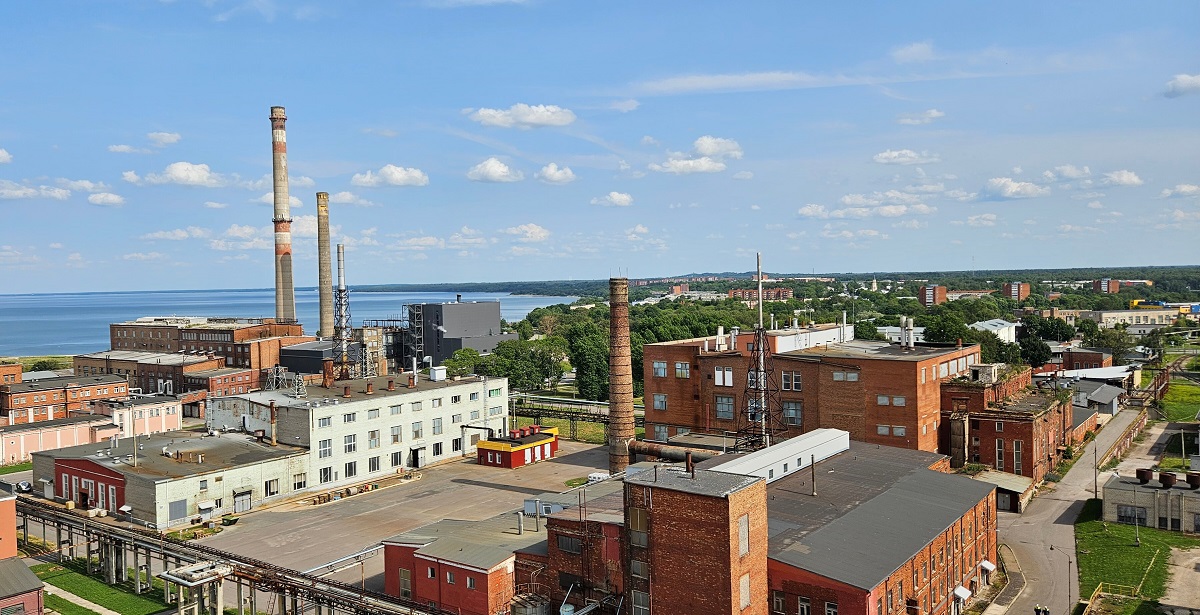
The Soviet-era uranium processing facility in Sillamäe, Estonia, was a gigantic city/factory with 4,000 employees. By the 1990s an estimated 100,000 metric tonnes of uranium had been produced in Sillamäe, used in the manufacturing of tens of thousands of nuclear weapons, and the factory also separated rare earths. The place was never to be entered or left without approval. In independent Estonia the plant was privatized and renamed Silmet. Now owned by Canadian Neo Performance Materials, it is Europe’s leading processor of rare earths, thus a strategic place for Europe. Photo: Isabelle de Pommereau