
Breathing room: Poland’s minority communities after the elections
For years, minority groups in Poland have been feeling pressure both from the government and society at large. Now with a new governing coalition, there appears to be potential breathing room for many of Poland’s minorities. However, that does not mean that the road ahead is clear or easily navigable.
Poland is often described as a homogenous state – white, Catholic and ethnically Polish. The numbers, at face value, support this idea. This apparent homogeneity is reinforced by the media. Often as a throwaway line when describing Poland’s demographics, or, for more insidious motivations, by those on the far right. This characterization, however, grossly simplifies the story of Poland and its citizenry. Historically, both the Polish-Lithuanian Commonwealth and the Second Polish Republic were heterogeneous states comprising a number of peoples, religions and languages.
Poland is often described as a homogenous state – white, Catholic and ethnically Polish. The numbers, at face value, support this idea. This apparent homogeneity is reinforced by the media. Often as a throwaway line when describing Poland’s demographics, or, for more insidious motivations, by those on the far right. This characterization, however, grossly simplifies the story of Poland and its citizenry. Historically, both the Polish-Lithuanian Commonwealth and the Second Polish Republic were heterogeneous states comprising a number of peoples, religions and languages.
February 7, 2024 -
Daniel Jarosak
-  Issue 1-2 2024MagazineStories and ideas
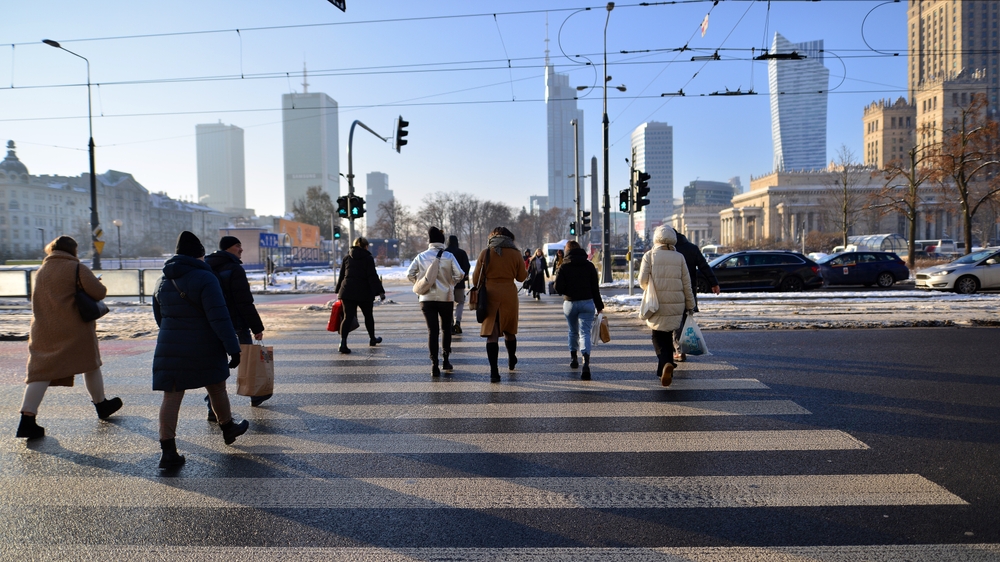
Photo: Grand Warszawski / Shutterstock