Text resize: A A
Change contrast

Tag: communism

Goodbye communism

The pace of dealing with the communist past has been uneven across Central and Eastern Europe. While Poland intensely debated de-communization in the 1990s, in Ukraine the mass removals of Lenin monuments – the so-called Leninopad – began only during the Revolution of Dignity in 2014. In the Baltic states, the memory of communism remains strongly negative.

December 8, 2025 - Kinga Gajda Michał Kuryłowicz

From revolution to souvenirs

The selling of communism across Central and Eastern Europe reveals more than the region’s ingenuity in repurposing its past – it exposes how memory itself has become a currency in the post-socialist era. This marketplace of memory is not merely a tourist trend – it is a mirror of broader cultural transformations.

December 8, 2025 - Jovana Janinovic

Sensory memory and creating a community of memory

The feeling of coarse toilet paper bought after hours in a queue, the scent of sweat on a train to a Bulgarian summer camp, the fizz of Soviet shampanskoye igristoye on New Year’s Eve – these are not just fragments of nostalgia. They are traces of a collective past, an embodied memory of life under communism that continues to shape how a generation remembers itself.

December 8, 2025 - Magdalena Banaszkiewicz

The gradual “forgetting” of communism in Poland

Featured in communist times as a symbol of abductions, the black Volga has lost its aura now. Today few young Poles even recognize the car or recall the urban legends that once linked it to the KGB or security services. Stripped of these political connotations, it has survived mainly as a retro curiosity – an object of aesthetic nostalgia rather than historical unease.

December 8, 2025 - Aleksander Niepokój Michał Kuryłowicz

Lithuania’s memory of communism

The opening of Grūtas Park, an open-air museum with statues from the Soviet era, in 2001 provoked considerable public debate, with leading politicians expressing both strong support and firm opposition. The arguments on both sides revealed a deeper societal divide over how to evaluate – and what to do with – the heritage of communism.

December 8, 2025 - Paweł Plichta

Democracy or autocracy: what is the choice about?

After the fall of communism, democracy seemed to have won the day all over the world. Thirty years later, autocracy have steadily replaced democratic regimes and is on the rise in Western Europe and the United States, where democracy originated. Many naively believed that autocracy and democracy are mere labels, a choice that would not substantially impact our day-to-day lives.

August 12, 2024 - Tomasz Kamusella

Bloody Spectre

The short-lived Hungarian Soviet Republic remains a key example of the spread of communism after the Russian Revolution. Its leading figure was Béla Kun, a man whose complex identity would influence his politics throughout his life.

April 11, 2024 - Alex Gordon
The red idol, or the destruction of the mind

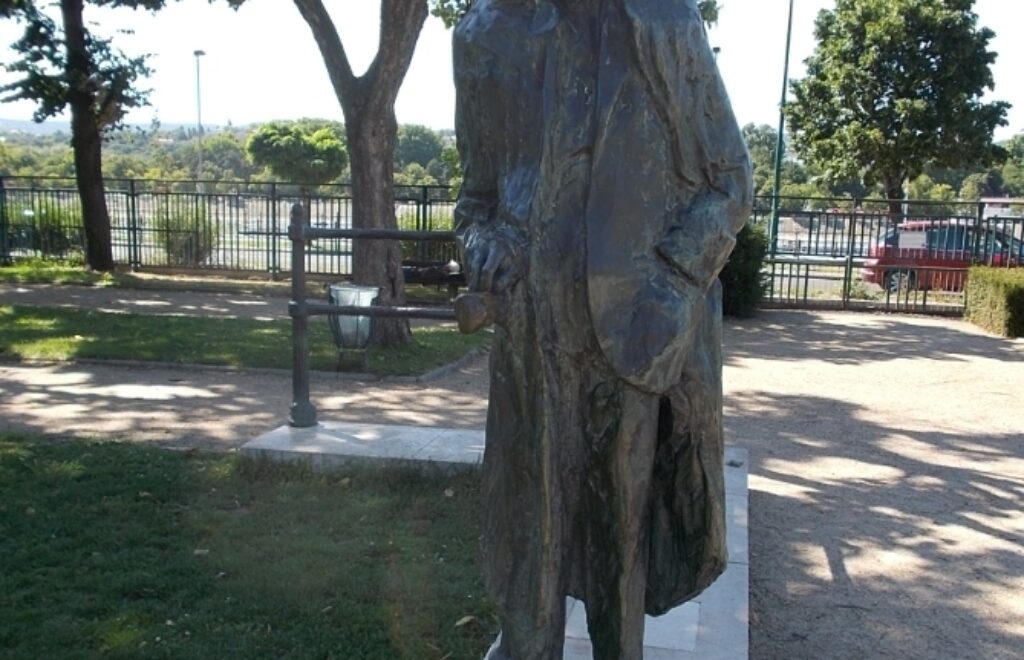
The life of the socialist revolutionary György Lukács was full of contradictions. Revered and detested in equal measure by his supposed comrades in Moscow, the philosopher often grappled with both the rhetoric and reality of Marxism. This often involved his Jewish identity, which remained a difficult topic for Lukács throughout his life.

October 6, 2023 - Alex Gordon

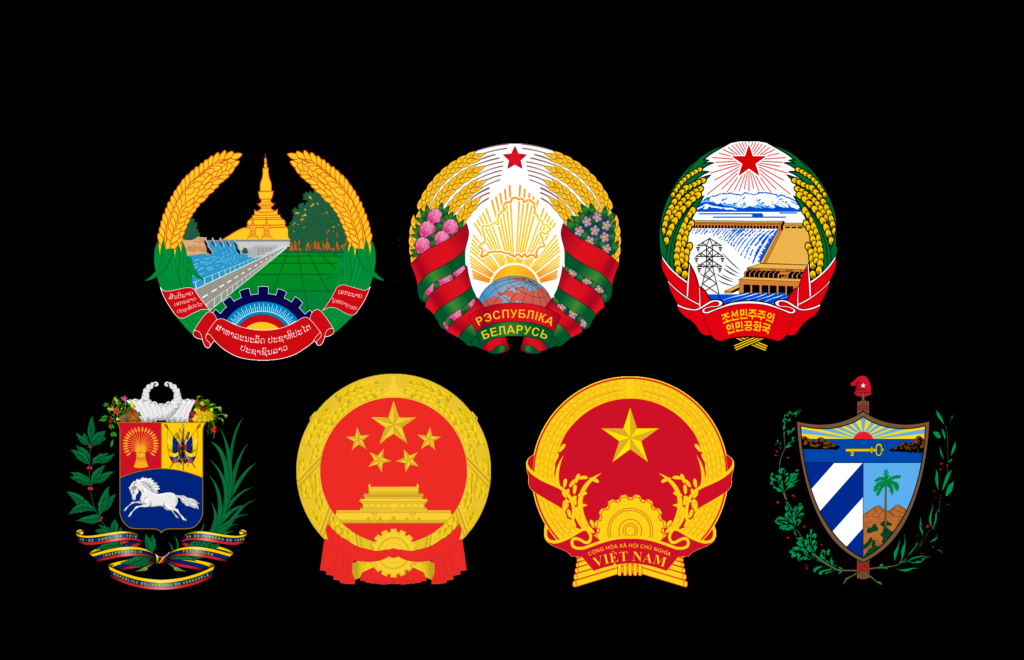
How many communist states exist in the early 21st century?

Today, it may seem like the idea of a communist state is nothing but a relic of the 20th century. Despite this, many countries are still officially communist, mixing rhetoric with market economics in a way that often proves attractive to other states.

November 23, 2021 - Tomasz Kamusella

Partners

Terms of Use | Cookie policy | Copyryight 2025 Kolegium Europy Wschodniej im. Jana Nowaka-Jeziorańskiego 31-153 Kraków
Agencja digital: hauerpower studio krakow.
We use cookies to personalise content and ads, to provide social media features and to analyse our traffic. We also share information about your use of our site with our social media, advertising and analytics partners. View more

Cookies settings
Accept
Decline
Privacy & Cookie policy
Privacy & Cookies policy
Cookie name Active
Poniższa Polityka Prywatności – klauzule informacyjne dotyczące przetwarzania danych osobowych w związku z korzystaniem z serwisu internetowego https://neweasterneurope.eu/ lub usług dostępnych za jego pośrednictwem Polityka Prywatności zawiera informacje wymagane przez przepisy Rozporządzenia Parlamentu Europejskiego i Rady 2016/679 w sprawie ochrony osób fizycznych w związku z przetwarzaniem danych osobowych i w sprawie swobodnego przepływu takich danych oraz uchylenia dyrektywy 95/46/WE (RODO). Całość do przeczytania pod tym linkiem
Save settings
Cookies settings