Text resize: A A
Change contrast

Tag: war in Ukraine

The harmful effects of the panic over Ukraine

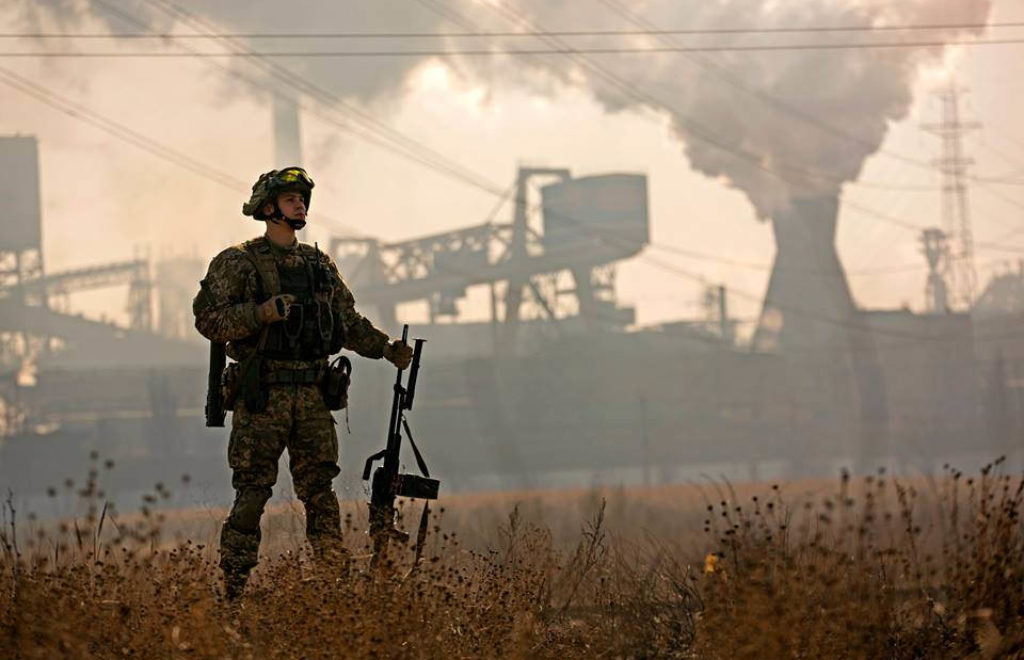
Ukraine’s current authorities face perhaps the most stressful week in office since 2019, when they came to power. There is no doubt that Russia’s possible full-scale invasion of Ukraine would be the most substantial military operation in Europe since 1945.

February 15, 2022 - Vladyslav Faraponov

Only Putin is to blame for a second Ukraine invasion

There are many western voices echoing Russian claims NATO's eastwards expansion is to blame for the current tensions. However, neither Russia's first incursion into Ukraine, nor the current pressure applied can be attributed to anyone other than the Kremlin.

February 14, 2022 - Mark Temnycky

Putin’s unlikely war with Ukraine

Media outlets around the world are now frantically discussing the prospect of a full-blown war between Ukraine and Russia. Whilst such debate continues to grab headlines, the realities on the ground will likely result in a much more different outcome.

February 2, 2022 - Joshua Kroeker

Russia’s military build-up on the border with Ukraine: intimidation, imminent escalation or both?

It has become clear to Ukraine with regards to Russian scare tactics that concessions will not solve any problems, but rather display the weakness of the West.

April 21, 2021 - Alisa Muzergues

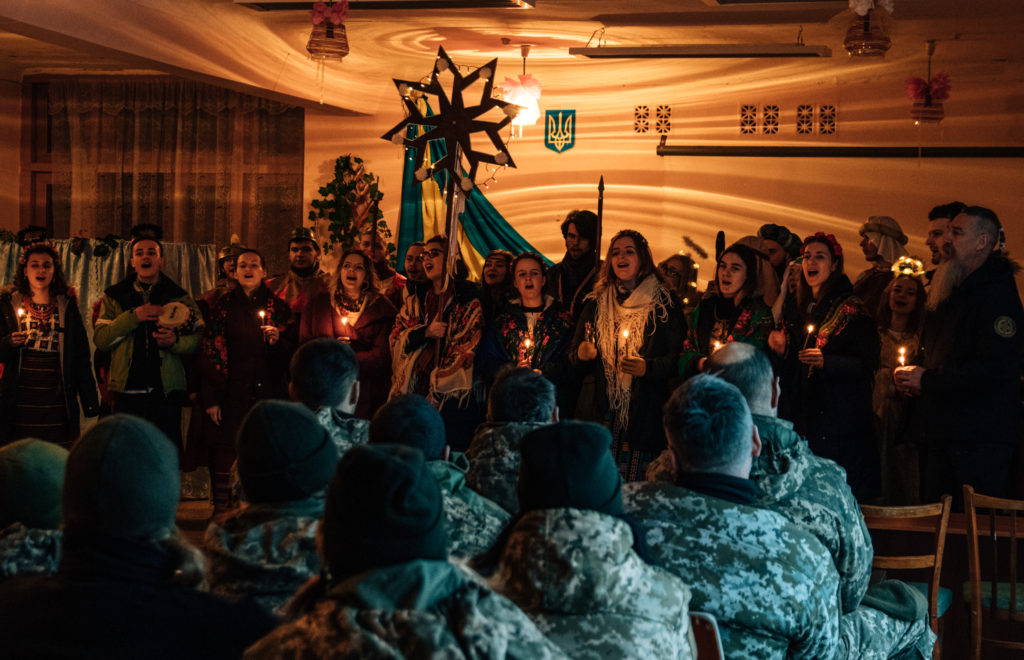
Ukraine: Christmas carols at the front

For the last six years, some 30 students from western Ukraine travel 1300 km to the frontline of the conflict in the eastern part of the country, bringing the Christmas spirit to the soldiers stationed there.

February 14, 2020 - Irynka Hromotska

Ukraine on three chess boards

Checkmate on one board will affect the other.

November 8, 2019 - Valerii Pekar

Human rights as a weapon

An interview with Ivan Lishchyna, the Ukrainian deputy minister of justice, and government commissioner of the European Court of Human Rights. Interviewer: Tomasz Lachowski

TOMASZ LACHOWSKI: Since 2014 part of the Ukrainian territory has been constantly occupied by the Russian Federation and Kremlin-backed troops, widely referred to as pro-Russian separatists. Among the many different diplomatic, political and military instruments undertaken by the Ukrainian authorities, Kyiv also uses strict legal tools to succeed in its effort to dispose of the occupants on Ukrainian soil. How can human rights help in achieving this goal?

IVAN LISHCHYNA: First of all we need to come to some general terms with what we are discussing. We have to distinguish two territories that are currently occupied by the Russian Federation: Crimea and a part of the Donetsk and Luhansk oblasts (referred to as ORDLO in Ukrainian law). From the point of view of the European Convention on Human Rights (ECHR) and from the Ukrainian standpoint, there is no difference in the legal regimes between them: they are both occupied by Russian forces and unlawfully held by the Kremlin.

January 2, 2019 - Tomasz Lachowski

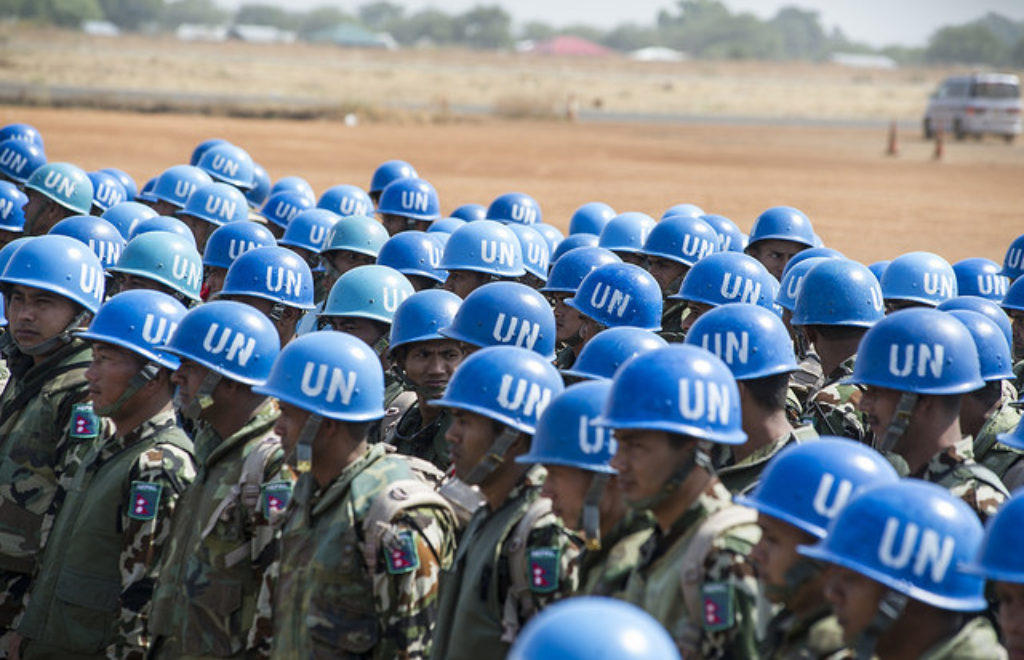
Discourses of peacekeeping in Ukraine

Ukrainian inner discourses are permanently compromised because most of them are produced by the Russian Federation. The idea of a peacekeeping force by itself exists as if without an alternative, and now there is a discussion about the mandate, number and national composition of peacekeeping troops. But in reality there is no consensus on the hypothetical deployment, and this consensus has never existed. 

June 5, 2018 - Maria Kucherenko Vitalii Kulyk
Partners

Terms of Use | Cookie policy | Copyryight 2025 Kolegium Europy Wschodniej im. Jana Nowaka-Jeziorańskiego 31-153 Kraków
Agencja digital: hauerpower studio krakow.
We use cookies to personalise content and ads, to provide social media features and to analyse our traffic. We also share information about your use of our site with our social media, advertising and analytics partners. View more
Cookies settings
Accept
Decline
Privacy & Cookie policy
Privacy & Cookies policy
Cookie name Active
Poniższa Polityka Prywatności – klauzule informacyjne dotyczące przetwarzania danych osobowych w związku z korzystaniem z serwisu internetowego https://neweasterneurope.eu/ lub usług dostępnych za jego pośrednictwem Polityka Prywatności zawiera informacje wymagane przez przepisy Rozporządzenia Parlamentu Europejskiego i Rady 2016/679 w sprawie ochrony osób fizycznych w związku z przetwarzaniem danych osobowych i w sprawie swobodnego przepływu takich danych oraz uchylenia dyrektywy 95/46/WE (RODO). Całość do przeczytania pod tym linkiem
Save settings
Cookies settings