Text resize: A A
Change contrast

Tag: Ukraine

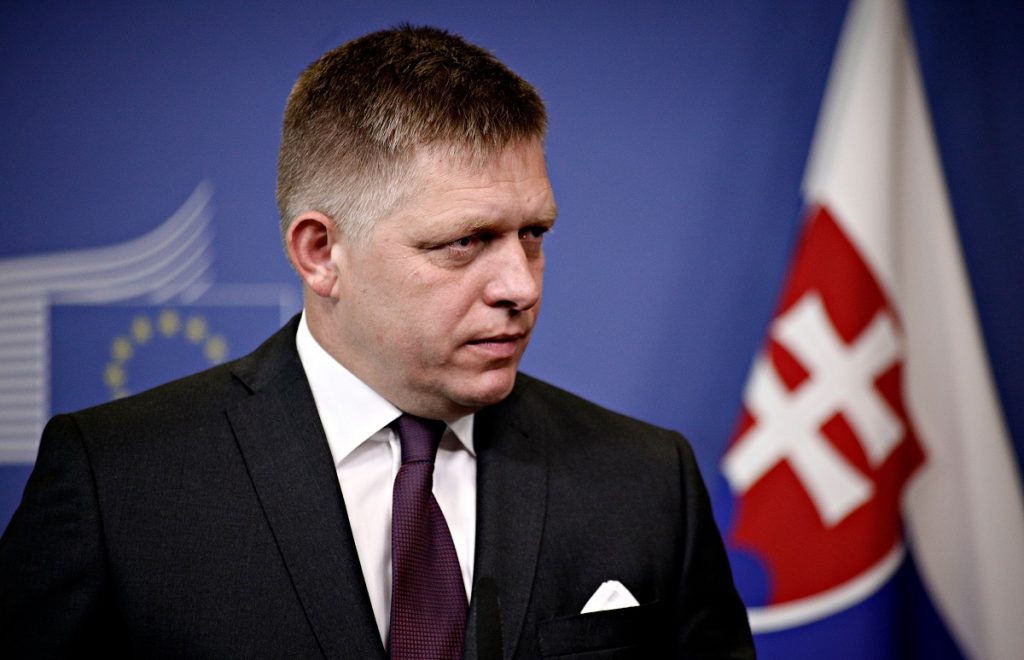
Why Trump is wrong on Ukraine

Trump’s naive statements about Ukraine over the past month have shaken the core of western defence structures. America must now decide whether or not it still wishes to maintain its core values or support a world in which might makes right.

March 28, 2025 - Joshua Kroeker

“War is always somewhere around”: a review of Jen Stout’s Night Train to Odesa

International coverage of Ukraine has often focused on high politics, with little in the way of discussion about its society. Despite this, Jen Stout’s recent work has challenged this issue in a creative way. Bringing to life the experiences of Ukrainians across the country, the journalist sheds light on the emotional toll of the ongoing war.

March 21, 2025 - Nicole Yurcaba

A Zeitenwende comes from Washington: how long-term trends shaped a new politics

America’s newfound reluctance to help its allies has caught Europe off guard. However, this development ultimately has a long history. If Ukraine is to continue its fight against Russian aggression, we must accept such realities and plan accordingly.

March 14, 2025 - Valerii Pekar

Roma helped defend Ukraine – now they must help rebuild it 

Minority communities in Ukraine continue to provide an invaluable contribution to the country’s defence. Among these groups is the Roma, who still suffer from discrimination and outdated stereotypes. The successful integration of this community into society will prove vital if Ukraine is to eventually win the peace.

March 13, 2025 - Neda Korunovska

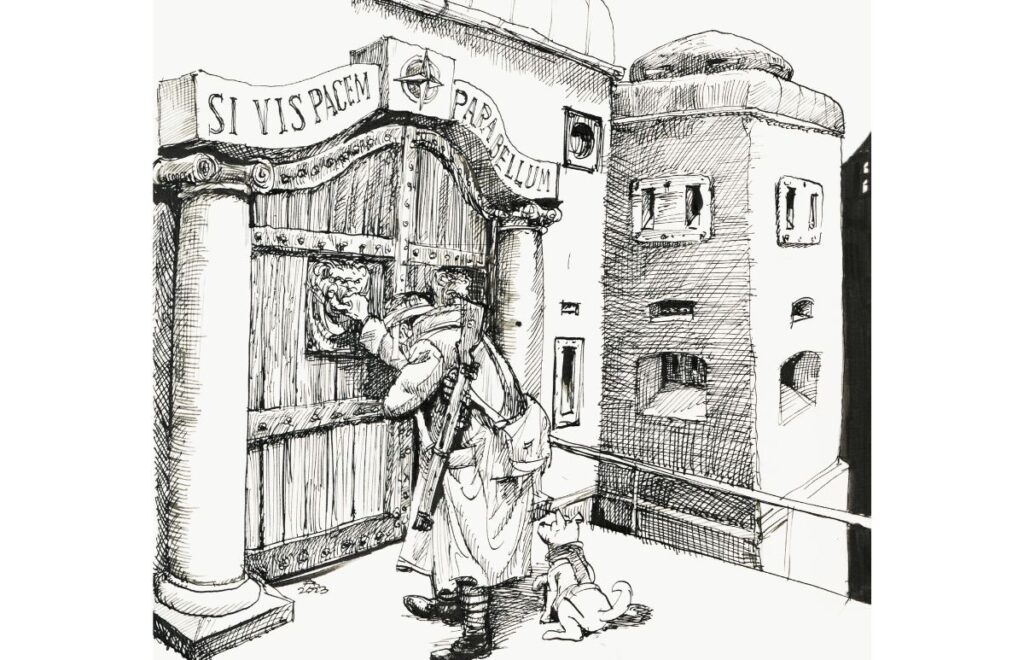
“A bad peace… would be worse than no peace”

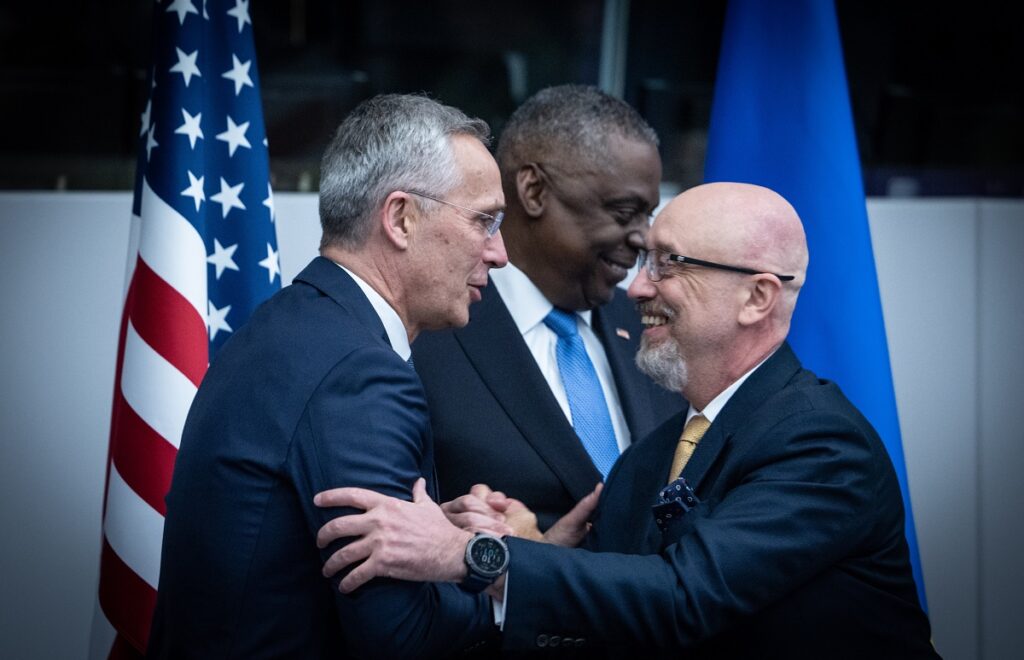
Interview with Admiral Giuseppe Dragone, the Chairman of NATO’s Military Committee. Interviewer: Vazha Tavberidze.

March 12, 2025 - Giuseppe Cavo Dragone Vazha Tavberidze

“Don’t be afraid of victory”

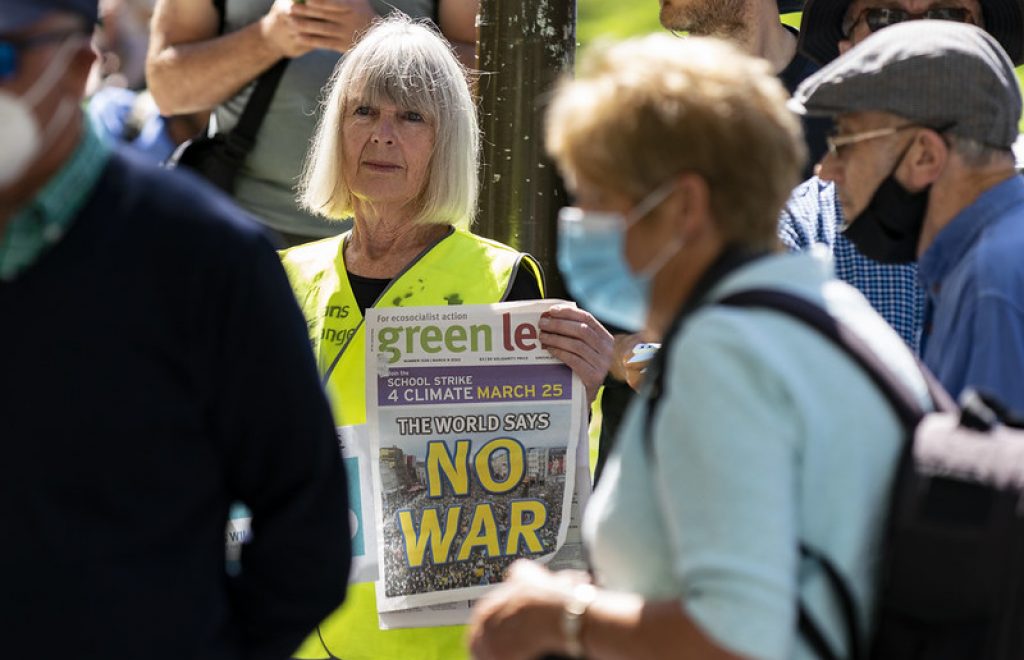
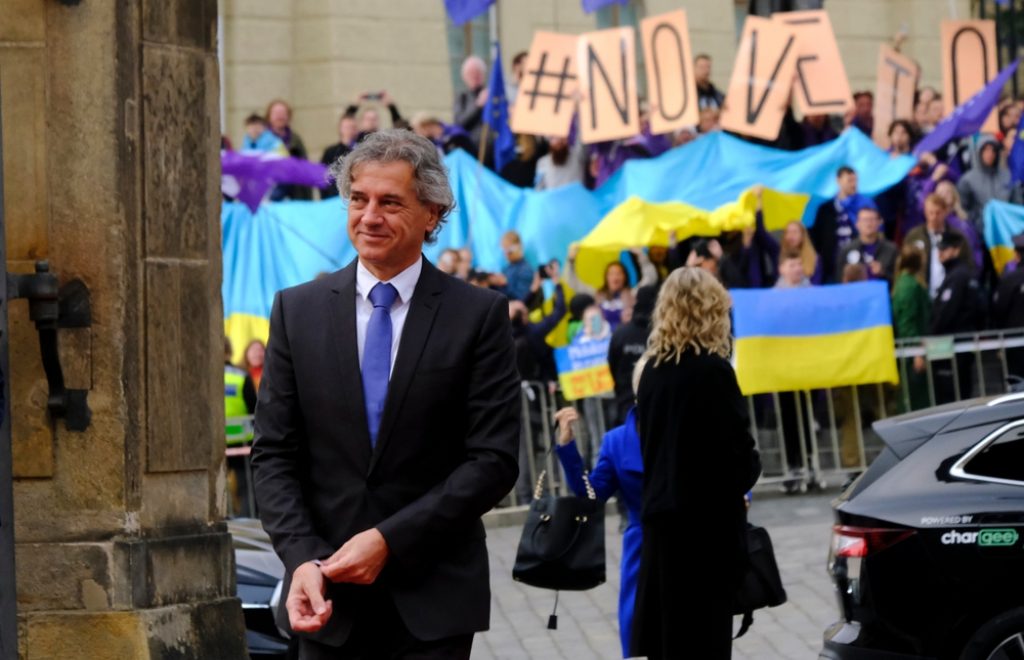
The tone of the rally for Ukraine in Washington DC on February 22th was one of defiance and determination. However, recent comments made by President Donald Trump hung over the event.

March 7, 2025 - Daniel Jarosak

Is Ukraine multicultural or just Ukrainian with influences from other cultures?

The ability of Ukrainians to embrace their country’s diversity not only enriches their own understanding of the country but also allows them to showcase this richness to future visitors. As a nation that was itself historically subordinated to others, Ukrainians tend to be more empathetic and do not treat their own minorities with an imperialistic mindset.

Ukraine, as one of the republics of the former Soviet Union, inherited from it many stereotypical ideas that it has struggled with for decades. These include the idea that “more than 100 nationalities live on our territory,” therefore meaning that the population is inherently tolerant of others and otherness. In the Soviet times, nations and ethnic groups were mixed. Initially this was done by harsh methods of deportations of entire nations, such as Chechens, Ingush, Crimean Tatars, Germans of the Northern Black Sea coast and Volga region, or Poles from the former Polish national region, etc. 

February 28, 2025 - Roman Kabachiy

Ukraine after the war: lessons of resilience

Ukraine’s journey through war and into the complex terrain of post-conflict recovery is a testament to the enduring power of human resilience and institutional determination. The scars of war are undeniably deep, but they also carry with them the seeds of renewal. Ukraine now stands at a pivotal moment in its history – a chance to not just rebuild, but to reimagine its future as a resilient, democratic and adaptive nation.

Following the Russian invasion in February 2022, the wounds inflicted on Ukraine by the invading forces have become eternal. They have shaped the country in a way that has changed all aspects of life, including socio-economic issues alongside politics. The war has also provided valuable insights with regards to the strategies that should be utilized in order to overcome challenges and build a sustainable future. The strategies of adaptation that have emerged as a result of the current, slower period of the conflict demonstrate how these changes are taking place. 

February 28, 2025 - Roksolana Ivanova

The refrigerator and the television. Sanctions as war by other means

Sanctions are always a kind of double-edged sword. In order to be effective and prevent bypassing, they have to be comprehensive and include as many countries as possible. Changing elite behaviour depends on increasing the kind of pressure that pushes parties off the battlefield and to the negotiating table. Sanctions can therefore help to tip the balance.

Sanctions regimes aim to change elite behaviour by raising the costs and stakes of their choices, both directly in terms of diminishing their personal comfort including travel and access to finance, and indirectly by increasing popular pressure against their rule through economic hardship. This highlights one of several problems with sanctions. These elites are usually uninterested in popular welfare, explaining their attitude towards democracy and its wider benefits.

February 28, 2025 - Greg Mills Hryhoriy Nemyria Luis Ravina Ray Hartley

Life on the exhale

Life on the exhale is like knocking on a door, it carries an echo, and wakes up the dormant. People to whom it is written, like Victoria Amelina, transcend what we usually can, and what in Ukrainian is expressed by the word mohty. In truth, Vika, seeking justice, a home and a future, bore witness to the path to victory, in Ukraine's destiny fulfilling itself through pere-mohty, doing more than our strength and imaginings would allow.

The last inhale was Canada, a good job in the IT industry, studying creative writing in the United States, literary residencies in the West, vacations with her family in Egypt, the safety of her son Andriy in Poland. Vika (short for Victoria) crosses the Polish-Ukrainian border on February 26th 2022. In the evening she reaches Lviv, where her mother, a history teacher, lives. As soon as the Kyiv region is liberated, she moves east. On the train to Kyiv, she meets three women writers, as well as activists from the Revolution of Dignity, human rights activists and the journalists Larisa Denysenko, Svetlana Povalayeva and Olena Stiazhkina.

February 28, 2025 - Krzysztof Czyżewski

Memory politics in Ukraine and Russia as a component of modern warfare

As Ukrainians took their first steps in exploring their own history, they began uncovering a wealth of previously forbidden topics and figures. Following the country’s independence, the exchange of academic research between Ukrainian and western historians became possible. This significantly contributed to shaping Ukraine’s historical policy, which was also in many cases in direct opposition to the Kremlin’s interpretation of history. Unsurprisingly, history and memory are key components of Russia’s war against Ukraine.

History and memory regarding the events of the past have always been, and still are, powerful tools in relations between Ukraine and Russia. While Russia has tried to shape its historical policy since the late Middle Ages, when Moscow declared itself the “third Rome” and pursued “the gathering of Russian lands”, modern Ukraine, which was without statehood for a long time, began to develop and restore its true history after independence in 1991. It would also develop its own historical policy. 

February 28, 2025 - Oleksii Lionchuk

Ukraine under attack. How to help?

On February 24 2022, the Russian army began a full scale attack against independent and free Ukraine.

February 24, 2025 - New Eastern Europe

Partners

Terms of Use | Cookie policy | Copyryight 2025 Kolegium Europy Wschodniej im. Jana Nowaka-Jeziorańskiego 31-153 Kraków
Agencja digital: hauerpower studio krakow.
We use cookies to personalise content and ads, to provide social media features and to analyse our traffic. We also share information about your use of our site with our social media, advertising and analytics partners. View more
Cookies settings
Accept
Decline
Privacy & Cookie policy
Privacy & Cookies policy
Cookie name Active
Poniższa Polityka Prywatności – klauzule informacyjne dotyczące przetwarzania danych osobowych w związku z korzystaniem z serwisu internetowego https://neweasterneurope.eu/ lub usług dostępnych za jego pośrednictwem Polityka Prywatności zawiera informacje wymagane przez przepisy Rozporządzenia Parlamentu Europejskiego i Rady 2016/679 w sprawie ochrony osób fizycznych w związku z przetwarzaniem danych osobowych i w sprawie swobodnego przepływu takich danych oraz uchylenia dyrektywy 95/46/WE (RODO). Całość do przeczytania pod tym linkiem
Save settings
Cookies settings