

Text resize: A A
Change contrast

Tag: NATO

Consequences and complications of Russian drones in NATO airspace

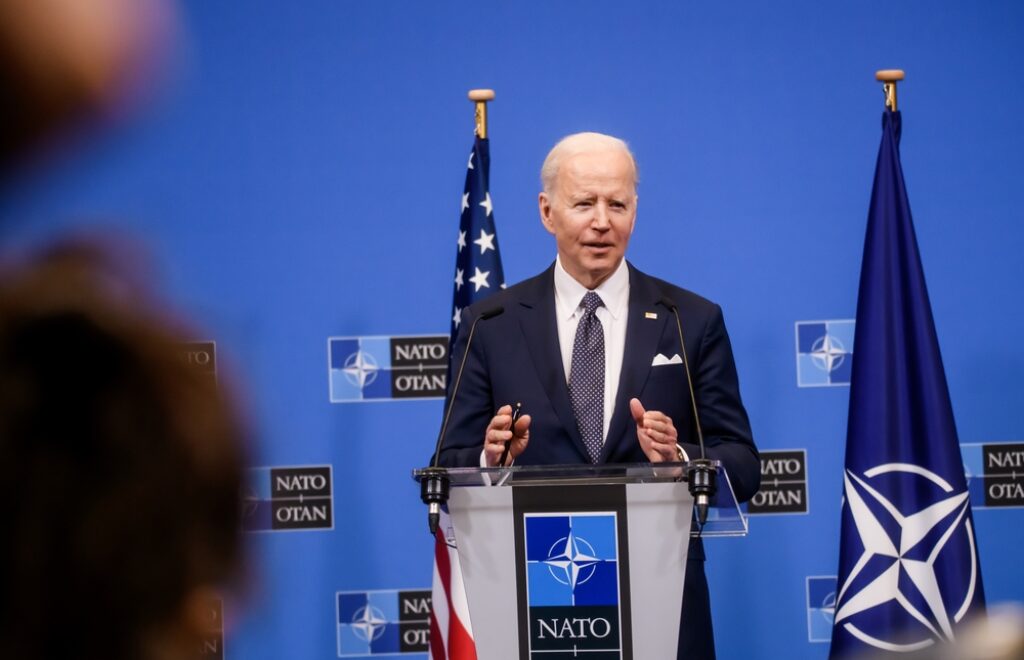
Poland's decision to shoot down Russian aerial assets was unprecedented for NATO’s eastern flank. Despite the limited scale of the provocation, the operation demonstrated that NATO interoperability remains at a high level. In reaction to Russia’s actions, Poland invoked Article 4 of the North Atlantic Treaty and requested urgent consultations, which took place on September 10th.

September 16, 2025 - Jakub Bornio

Russian drones in Poland, will NATO pass the test?

NATO has the opportunity to demonstrate its own strength without a direct military clash with Russia if it takes decisive steps after this provocation. Otherwise, new attempts by the Russian side to penetrate the Alliance’s airspace will be even more large-scale and provocative.

September 11, 2025 - Anton Naychuk

“We have no family of plans for European defence, as NATO does”

An interview with General Robert Brieger, former Chairman of the EU Military Committee. Interviewer: Jan Farfał

September 10, 2025 - Jan Farfał Robert Brieger

Western diplomacy towards Russia and the Logic of Failure: why territorial concessions will not end Russia’s war

US President Donald Trump’s diplomacy with Putin over Ukraine remains wholly focused on the issue of land. However, the conflict ultimately represents a dispute at a much deeper level. In order to understand this, we must look at theoretical models that can shed light on why the conflict started in the first place.

August 14, 2025 - Alexander Sicheneder

The reassurance force for Ukraine needs a strategically mature Europe

Momentum is growing regarding long-term aid for Ukraine even if fighting ends on the front line. Such moves will require decisive actions from Europe, which now has the potential to truly become a strategic power.

July 28, 2025 - Francis Shin

If the EU wants peace, it needs to prepare for war

An interview with Andrius Kubilius, the European Union’s Commissioner for Defence and Space. Interviewers: Joanna Maria Stolarek and Adam Reichardt

July 8, 2025 - Adam Reichardt Andrius Kubilius Joanna Maria Stolarek

Estonia’s road to comprehensive security

Since regaining independence in 1991, Estonia has undergone a rapid and determined transformation, embracing modernization, democracy and western integration. Yet its path to NATO membership and security reform was anything but straightforward, as it was shaped by regional geopolitics, western hesitations, and the lessons of Nordic neighbours.

Social modernization has been unrelenting since Estonia restored its independence in 1991. During the 1990s and early 2000s, Estonia, like many other post-communist aspirants for European Union and NATO membership, was criticized by its western neighbours for following an overly “modernist” security policy outlook. Re-establishing the armed forces and consolidating border controls dominated its early outlook sometimes at the expense of civil defence, crisis management and cooperative security then prioritized in the West’s shifting post-Cold War security mindset.

July 8, 2025 - Eoin Micheál McNamara

Balancing values and interests. NATO’s constrained engagement in the South Caucasus

Considering the current turmoil in transatlantic affairs, NATO's room for manoeuvre in the South Caucasus is constrained by broader geopolitical rivalries and its limited capacity to prioritize this region as well. Russia maintains a strong military and hybrid influence in the region, while Iran’s ambitions and China’s expanding economic footprint further limit western leverage.

It has been a while since the NATO Secretary General’s Special Representative position for the Caucasus and Central Asia became vacant. Since its establishment in 2004, it has served as the eyes and the ears of the Alliance, facilitating the implementation of NATO’s foreign policy, monitoring internal political developments and reforms, and liaising with local governments.

July 8, 2025 - Nino Lezhava

The Tallinn question

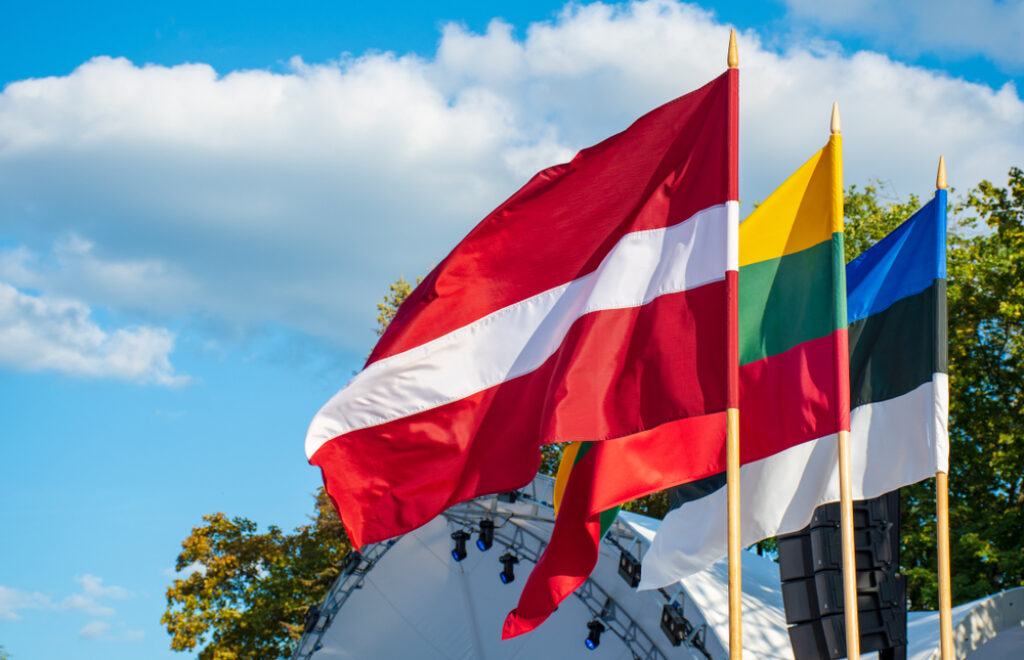
As Russia’s aggression against Ukraine continues, the question of whether NATO and the EU would come to the aid of the Baltic states becomes increasingly important. With an increase in US rhetoric concerning a potential withdrawal, it is now more pivotal than ever that allies commit to defending these small democratic states.

July 2, 2025 - Alexander Strelkov Chris McGivern Natalia Wojtowicz-Zwarts

NATO must pivot East – or risk irrelevance

History is littered with alliances that failed to adapt – so NATO must reorient to the East, where threats are real and commitments strongest.

June 23, 2025 - Dan Perry Mihai Razvan Ungureanu

Russia’s hybrid war on NATO’s Eastern Flank quietly escalates

Since 2014, the Kremlin has steadily escalated its hybrid war on the West through subversion, sabotage and disinformation. The recent surge in attacks on NATO’s Eastern Flank, such as in Poland, Romania and the Baltic states, underscores the intensifying nature of these threats. These operations exploit legal and institutional gaps. The West must shift from passive deterrence to a more coordinated and assertive defence of its values and systems.

June 13, 2025 - Maksym Beznosiuk

Europe at a crossroads: strategic security dependency in the age of uncertainty

The sense of unease caused by US President Donald Trump’s changing policy on Ukraine must result in action across Europe. While NATO member states can still rely on some established frameworks, a new outlook is needed in order to deal with issues concerning an overdependency on Washington.

May 5, 2025 - Tamar Gamkrelidze

Partners

Terms of Use | Cookie policy | Copyryight 2026 Kolegium Europy Wschodniej im. Jana Nowaka-Jeziorańskiego 31-153 Kraków
Agencja digital: hauerpower studio krakow.
We use cookies to personalise content and ads, to provide social media features and to analyse our traffic. We also share information about your use of our site with our social media, advertising and analytics partners. View more
Cookies settings
Accept
Decline
Privacy & Cookie policy
Privacy & Cookies policy
Cookie name Active
Poniższa Polityka Prywatności – klauzule informacyjne dotyczące przetwarzania danych osobowych w związku z korzystaniem z serwisu internetowego https://neweasterneurope.eu/ lub usług dostępnych za jego pośrednictwem Polityka Prywatności zawiera informacje wymagane przez przepisy Rozporządzenia Parlamentu Europejskiego i Rady 2016/679 w sprawie ochrony osób fizycznych w związku z przetwarzaniem danych osobowych i w sprawie swobodnego przepływu takich danych oraz uchylenia dyrektywy 95/46/WE (RODO). Całość do przeczytania pod tym linkiem
Save settings
Cookies settings