
Text resize: A A
Change contrast

Tag: Latvia

What does independence mean in the Baltics?

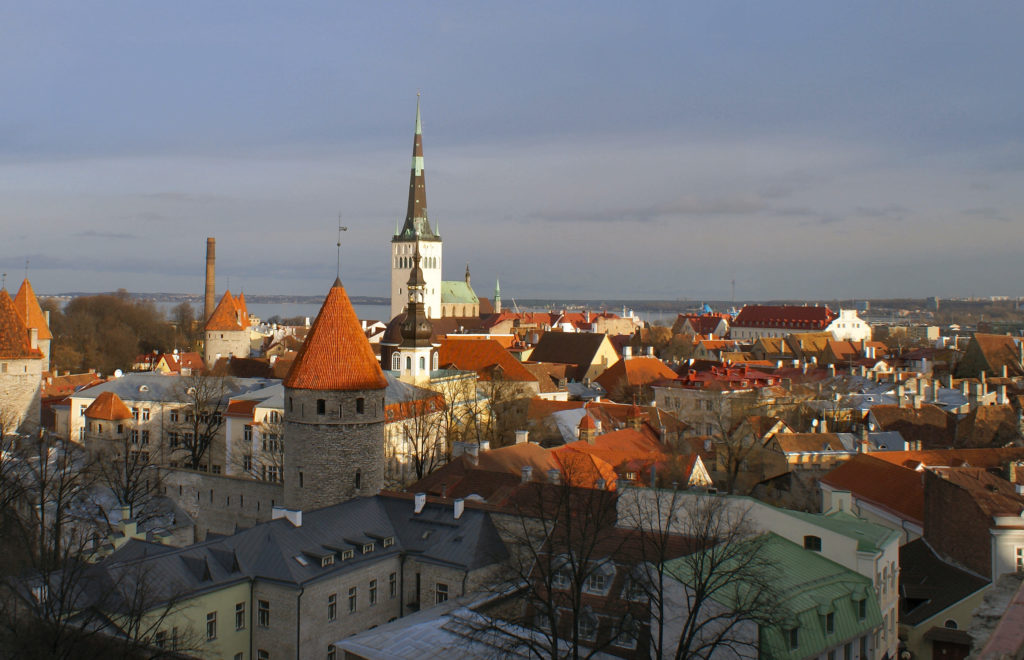
The three Baltic countries are celebrating 100 years of independence this year. What kind of societies have they become in the last century marked by both freedom and occupation? Three creative leaders from Estonia, Latvia and Lithuania reflect on their struggles.

Not a lot of countries are so often mentioned in the same breath as Estonia, Latvia and Lithuania. When Pope Francis visited the three Baltic republics in September, he did not even need a whole week to set foot in all the countries. In recent history, of course, the trio have a lot in common. All suffered under Soviet occupation for nearly half of the 20th century, a period included in the 100 years of independence because they (plus the western world) never agreed with Moscow that the Baltics entered the USSR voluntarily.

November 5, 2018 - Koen Verhelst
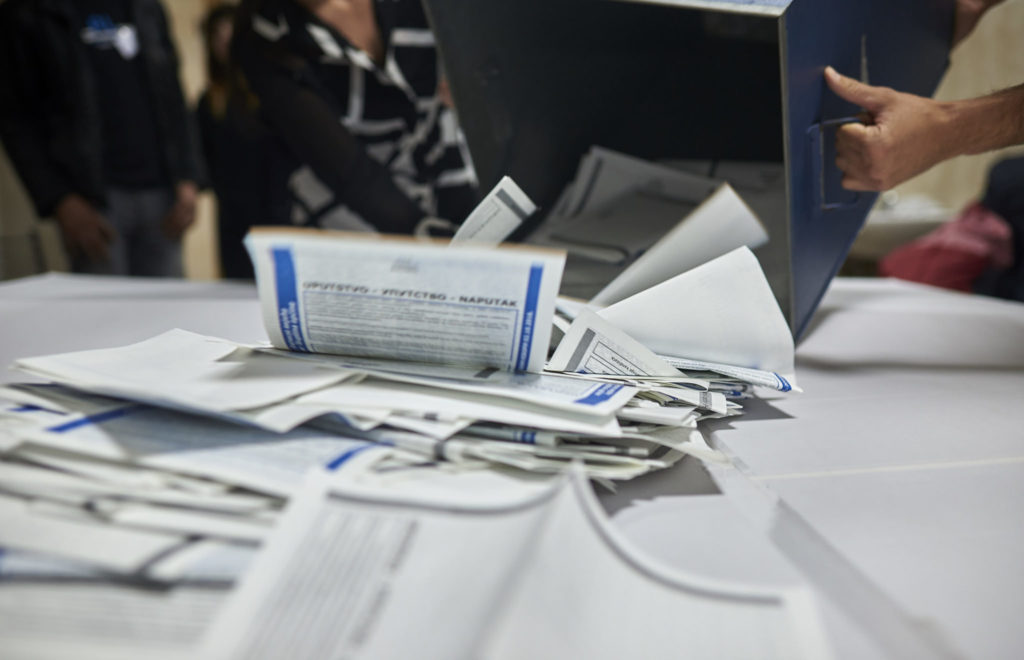
Elections in the Baltic and Balkans

This weekend the citizens of Latvia and Bosnia and Herzegovina had the chance to influence the direction of their countries.

October 8, 2018 - New Eastern Europe

There is no question – we are able to defend ourselves

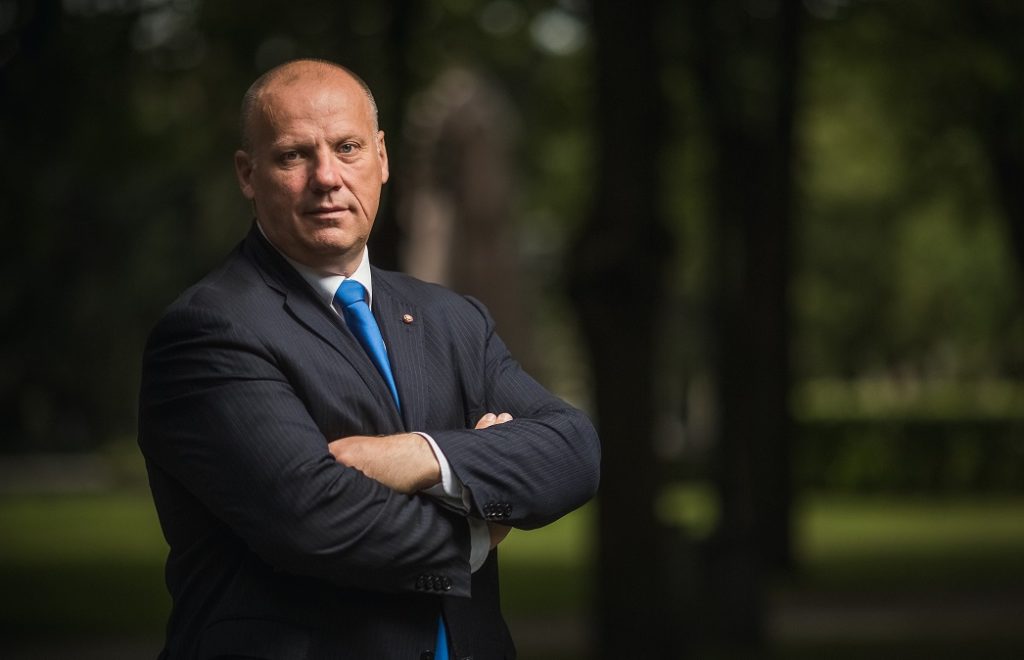
An interview with Raimonds Bergmanis, the Latvian minister of defence. Interviewer Linas Jegelevicius

LINAS JEGELEVICIUS: In a recent interview, your Lithuanian counterpart claimed that the situation in which the Baltics face now is “the riskiest and most dangerous since 1990”. Do you agree with this assessment?

RAIMONDS BERGMANIS: It is relative and the context should be taken into account. In the 1990s, our countries were still in the process of recovery and building our new state institutions like the armed forces, intelligence, security forces, etc. Alongside the domestic challenges, we were experiencing Russian pressure as well. We were vulnerable back then and, by no means, were these risk-free times. We were lucky that Russia was also vulnerable. However, it was not until 2004 when we joined NATO that we were able to have a real sense of security.

January 2, 2018 - Linas Jegelevicius Raimonds Bergmanis

The humble pastor

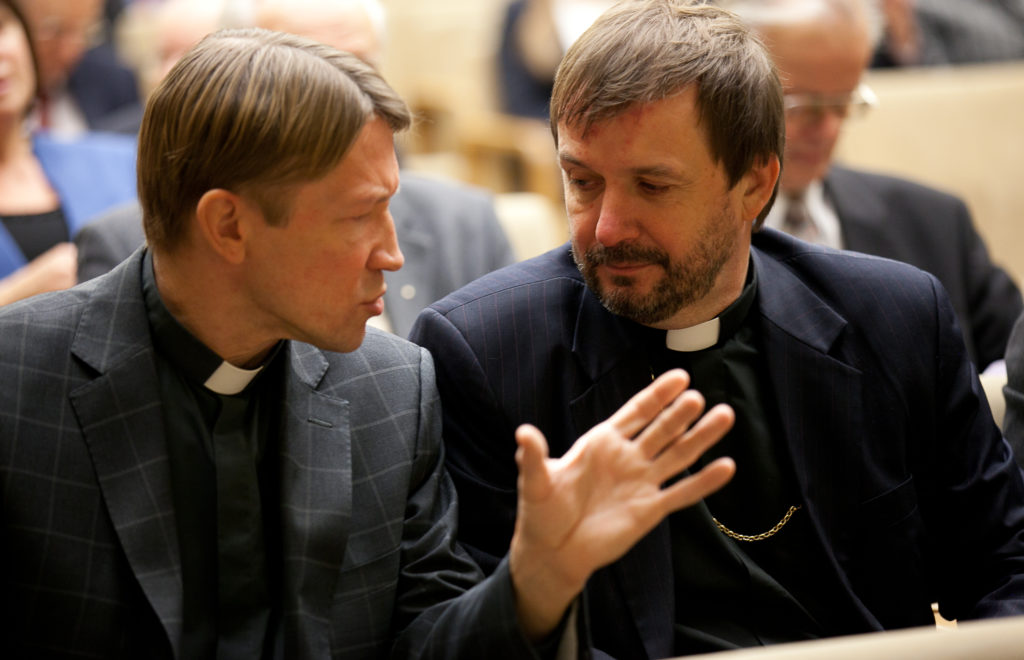
Juris Rubenis, a Lutheran pastor, helped organise some of the largest anti-Soviet demonstrations in the 1980s. He co-wrote the founding documents for the Latvian Popular Front and signed the official document declaring the independence of Latvia from the Soviet Union. Today, he tries to help Latvians overcome the post-Soviet mentality through spirituality and meditation.

October 4, 2017 - Naphtali Rivkin

Partners

Terms of Use | Cookie policy | Copyryight 2026 Kolegium Europy Wschodniej im. Jana Nowaka-Jeziorańskiego 31-153 Kraków
Agencja digital: hauerpower studio krakow.
We use cookies to personalise content and ads, to provide social media features and to analyse our traffic. We also share information about your use of our site with our social media, advertising and analytics partners. View more
Cookies settings
Accept
Decline
Privacy & Cookie policy
Privacy & Cookies policy
Cookie name Active
Poniższa Polityka Prywatności – klauzule informacyjne dotyczące przetwarzania danych osobowych w związku z korzystaniem z serwisu internetowego https://neweasterneurope.eu/ lub usług dostępnych za jego pośrednictwem Polityka Prywatności zawiera informacje wymagane przez przepisy Rozporządzenia Parlamentu Europejskiego i Rady 2016/679 w sprawie ochrony osób fizycznych w związku z przetwarzaniem danych osobowych i w sprawie swobodnego przepływu takich danych oraz uchylenia dyrektywy 95/46/WE (RODO). Całość do przeczytania pod tym linkiem
Save settings
Cookies settings