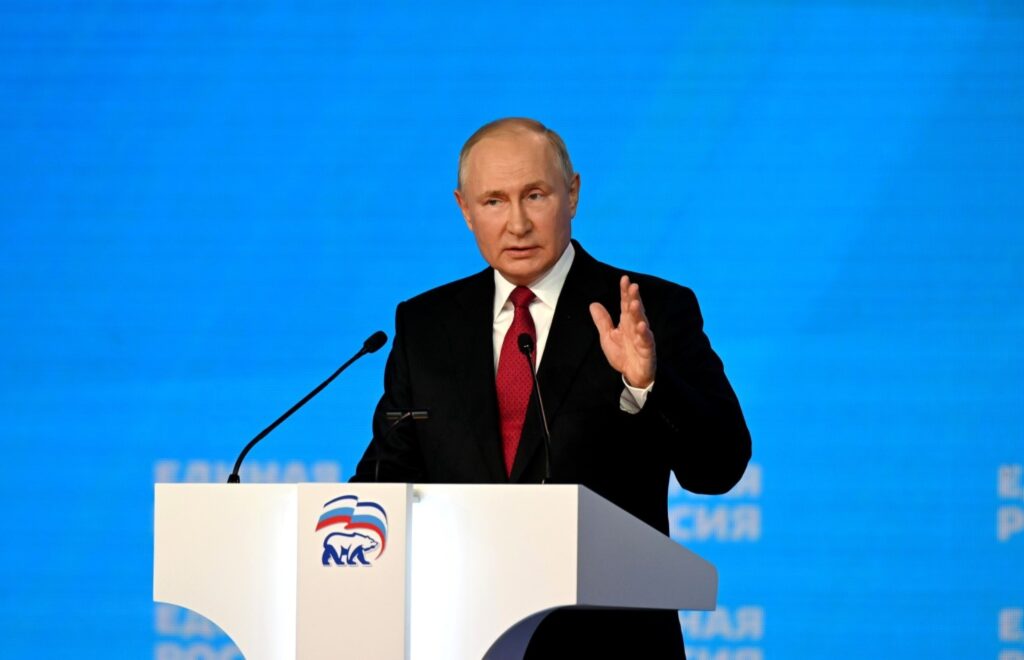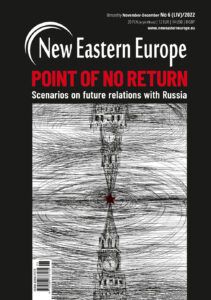

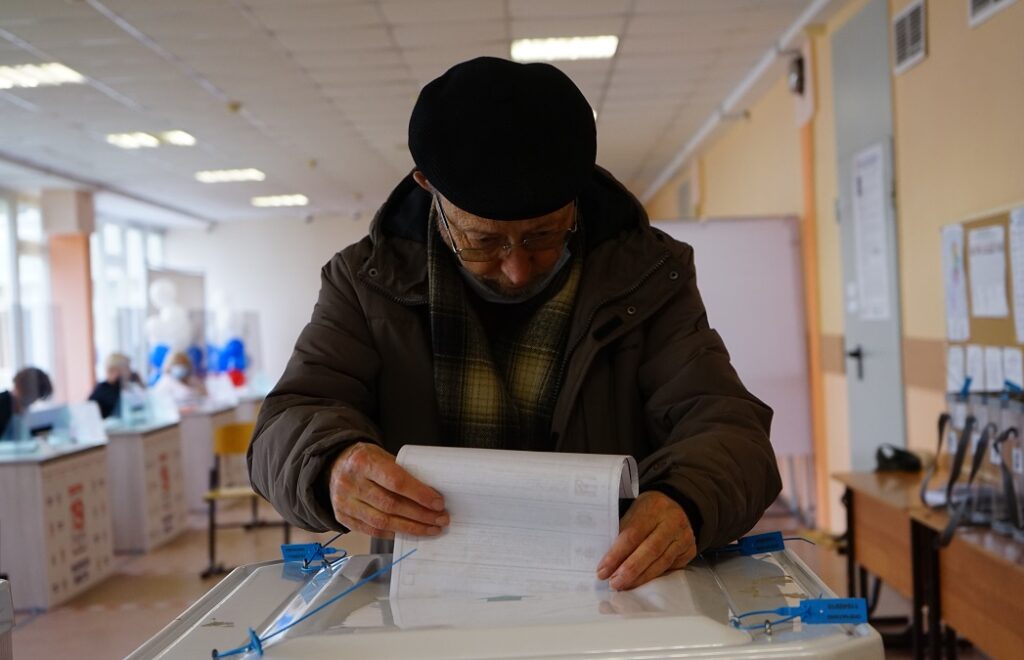
The course of this year's Russian State Duma elections demonstrates that the Kremlin has finally abandoned the pseudo-democratic game of appearances. In the coming years, a further tightening of the screws is likely. However, instead of complete control over the political system, the government may face a radicalisation of the social protest mood.
This month, United Russia hopes to retain its absolute majority in the State Duma during elections held between September 17th and 19th. Once again, the opposition is trying to make things difficult for Vladimir Putin and his allies by using a “smart voting” strategy. This strategy may have its problems, but it has already caused some headaches for the Kremlin.
Vladimir Putin’s push for constitutional changes is likely a way to stay in power. But will they be enough to convince the society which is growing more discontent with the current stagnation?
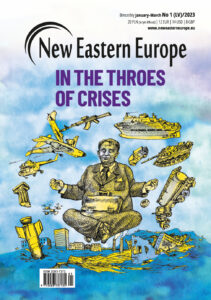
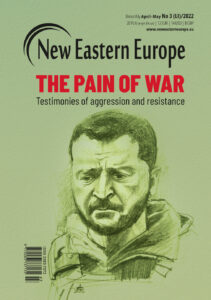
The consequences of Russia’s invasion are visible not only in Ukraine. The Kremlin has set off or exploited a series of crises that face most European countries.
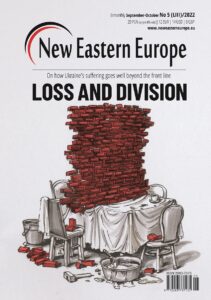
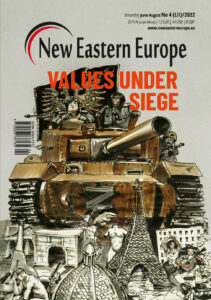
The invasion by Russian forces of Ukraine from the north, south and east – with the initial aim to take the capital Kyiv – has changed our region, and indeed our world, forever.
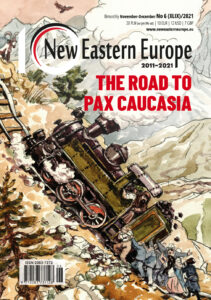
Only a year ago we witnessed the second Nagorno-Karabakh war between Armenia and Azerbaijan. It took at least 5,000 lives and significantly shifted the geopolitics in the South Caucuses.
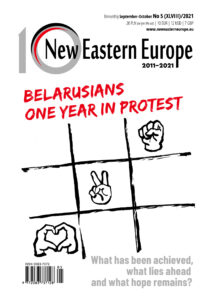
This special issue aims to honour the plight of Belarusians whose democratic choice made in August 2020 was shamelessly snubbed by Alyaksandr Lukashenka.
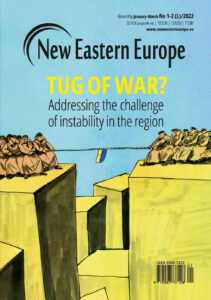
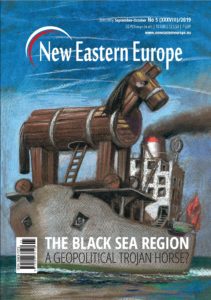
The Black Sea region is quickly becoming a geopolitical battleground which is gaining the interest of major powers, regional players and smaller countries – and the stakes are only getting higher.
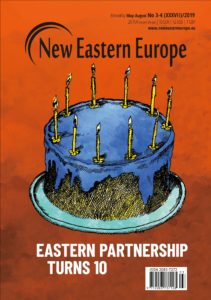
This issue is dedicated to the 10 year anniversary of the European Union’s Eastern Partnership as well as the 30 years since the 1989 revolutions in Central Europe.
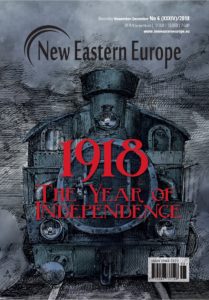
In the eastern parts of the European continent, 1918 is remembered not only as the end of the First World War, but also saw the emergence of newly-independent states and the rise of geopolitical struggles which are felt until this day.
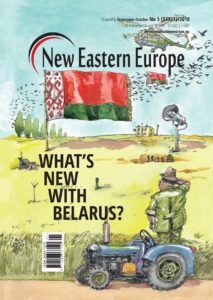
It often seems, at least from the outside, that Belarus remains isolated from the West and very static in its transformation. Yet, despite its relative isolation, Belarus is indeed changing.
We use cookies to personalise content and ads, to provide social media features and to analyse our traffic. We also share information about your use of our site with our social media, advertising and analytics partners. View more
Cookies settings
Accept
Decline
Privacy & Cookie policy
Privacy & Cookies policy
Cookies list
Cookie name
Active
Poniższa Polityka Prywatności – klauzule informacyjne dotyczące przetwarzania danych osobowych w związku z korzystaniem z serwisu internetowego https://neweasterneurope.eu/ lub usług dostępnych za jego pośrednictwem Polityka Prywatności zawiera informacje wymagane przez przepisy Rozporządzenia Parlamentu Europejskiego i Rady 2016/679 w sprawie ochrony osób fizycznych w związku z przetwarzaniem danych osobowych i w sprawie swobodnego przepływu takich danych oraz uchylenia dyrektywy 95/46/WE (RODO). Całość do przeczytania pod tym linkiem