Text resize: A A
Change contrast

Tag: corruption

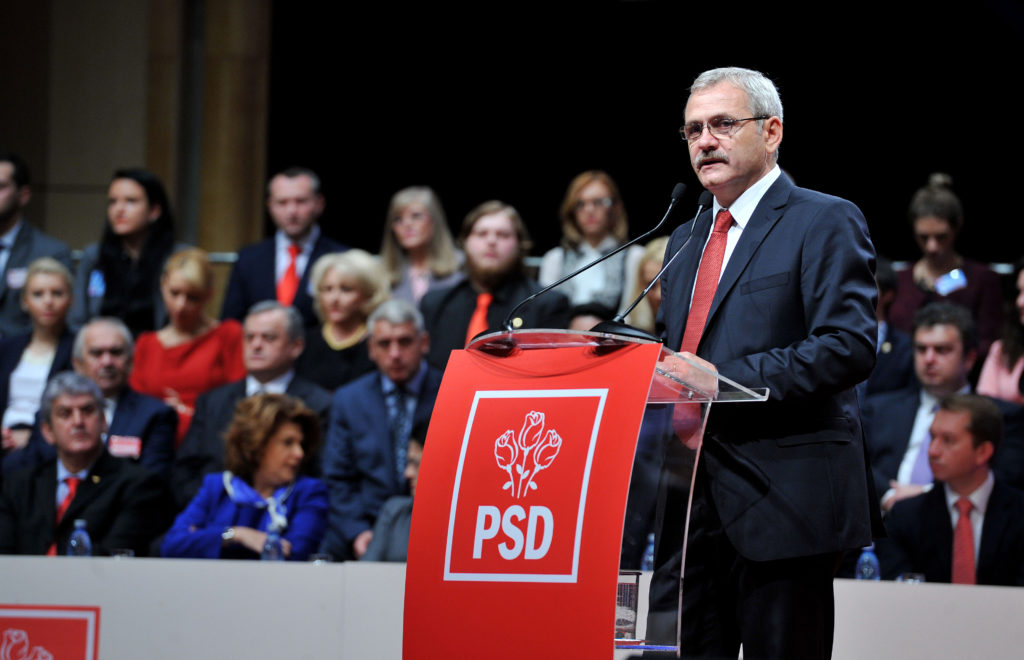
On same-sex marriage and corruption in Bulgaria and Romania

LGBTI issues are becoming a fig leaf hiding corruption within the political class of EU member states Bulgaria and Romania.

October 31, 2018 - Radosveta Vassileva

Corruption is Russia’s biggest export

An interview with Ilya Zaslavskiy, head of research at the Free Russia Foundation. Interviewer: Olena Babakova

OLENA BABAKOVA: After the United States introduced new sanctions against Russian oligarchs in April this year, the value of their companies collapsed and the exchange rates of the rouble sky rocketed. The West showed, once again, that it can still exert pressure on Russia. Is this a long-term problem for the Russian economy or has it already learnt how to adapt to such restrictions?

ILYA ZASLAVSKIY: I think we should examine whether the Kremlin and its business circles adapted to the western sanctions or whether the economy as a whole adapted. The regime found ways to continue with its current policies and its various confidants that have been targeted still have lots of money in offshore accounts, so they only feel threatened but not bitten. Even more importantly, they feel confident. However, if we talk about the quality of life and wealth of ordinary Russians, standards have obviously dropped. Some estimates say it has fallen by as much as a third. However this is still better than the situation in the 1990s.

September 1, 2018 - Ilya Zaslavskiy Olena Babakova

Yulia Tymoshenko’s second attempt to hire US political consultants

The money trail left behind by Yulia Tymoshenko ahead of the 2019 presidential elections in Ukraine raises some serious questions.

July 24, 2018 - Taras Kuzio

Who voted for Ukraine’s anti-corruption court?

Who is for and who is against reforms in the Ukrainian parliament? The answer to that question might be more complex than it might seem at first glance.

June 11, 2018 - Taras Kuzio

Corruption in Ukraine’s Military: Journalists need to check their facts first

Ukraine's Armed Forces are according to many observers on a path of slow recovery. Its morale and popular credibility depends not only on its success on the battlefield, but also on how it is portrayed. Journalists have a special responsibility when it comes to documenting accusations of corruption in an environment where the problem is so real.

May 23, 2018 - Yuriy Lukanov

A thief’s fear of punishment is incompatible with democracy

An interview with Anastasia Kirilenko, an investigative reporter based in Moscow. Interviewer: Maciej Zaniewicz

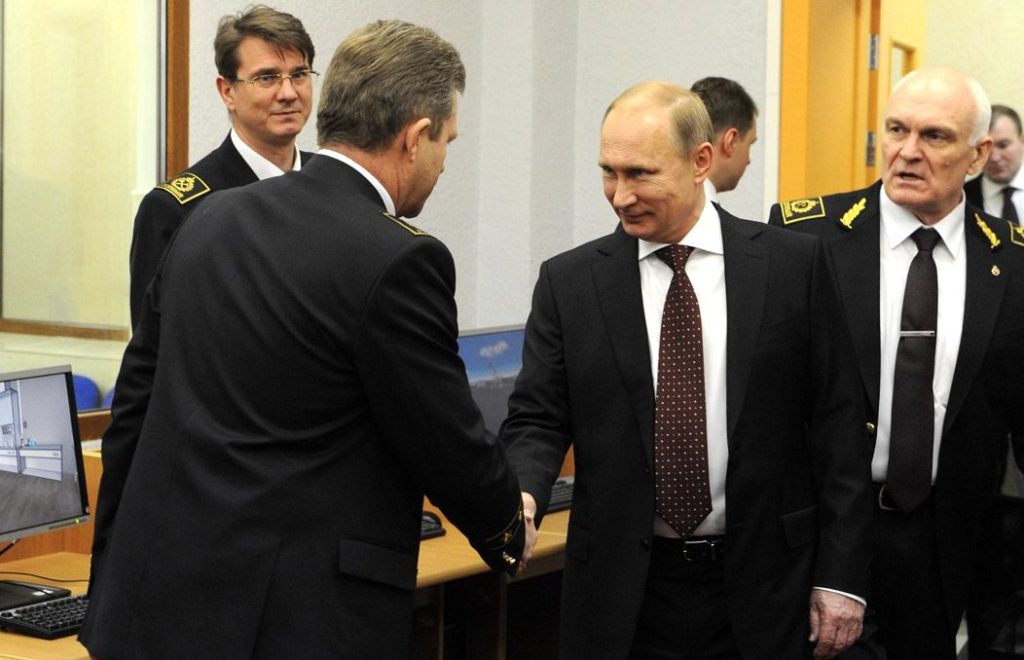
MACIEJ ZANIEWICZ: After watching your film, Who is Mr. Putin, one gets the sense that the whole Russian political system today grew out of the criminal world of the 1990s, which was created by Vladimir Putin himself.

ANASTASIA KIRILENKO: When Putin was a presidential candidate in 2000, journalists rushed to explain who he was. I remember very well the headlines: he is a man who came out of nowhere. In fact, in St Petersburg everyone knew very well who he was. There were enough criminal scandals connected to Putin. In 2000 many journalists were confused. Reporters from the Moscow Times went to St Petersburg and found people who had worked with Putin, but those people could not recall any details about what it was like to work with him.

October 4, 2017 - Anastasia Kirilenko Maciej Zaniewicz

The neoliberal world was made for autocrats

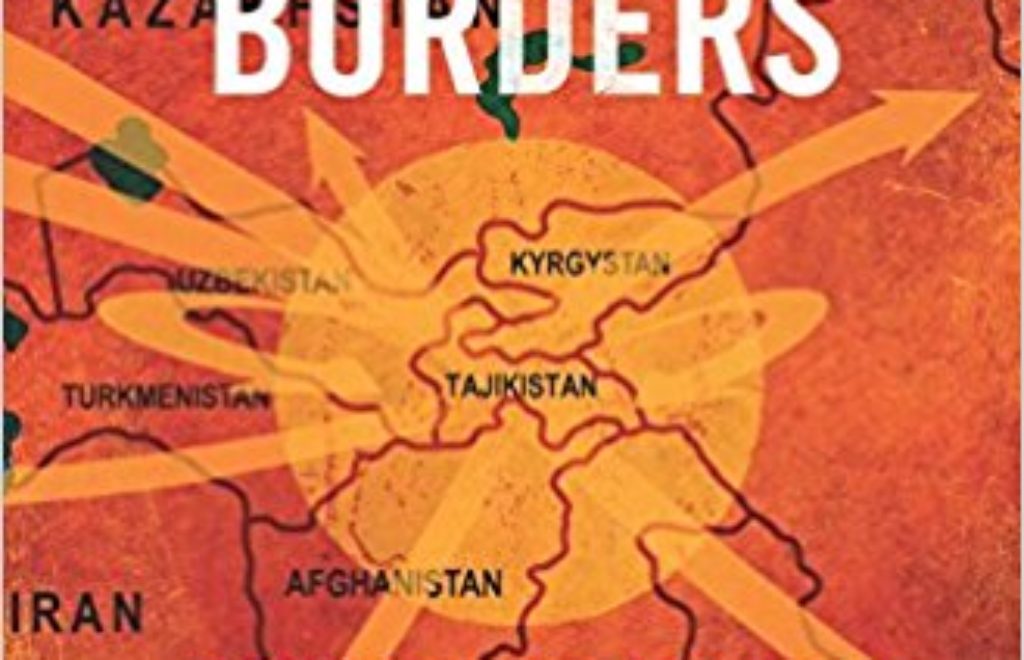
A review of Dictators without Borders: Power and money in Central Asia. By: Alexander Cooley and John Heathershaw. Published by: Yale University Press, New Haven, USA, 2017.

October 4, 2017 - Millie Radović

Partners

Terms of Use | Cookie policy | Copyryight 2026 Kolegium Europy Wschodniej im. Jana Nowaka-Jeziorańskiego 31-153 Kraków
Agencja digital: hauerpower studio krakow.
We use cookies to personalise content and ads, to provide social media features and to analyse our traffic. We also share information about your use of our site with our social media, advertising and analytics partners. View more
Cookies settings
Accept
Decline
Privacy & Cookie policy
Privacy & Cookies policy
Cookie name Active
Poniższa Polityka Prywatności – klauzule informacyjne dotyczące przetwarzania danych osobowych w związku z korzystaniem z serwisu internetowego https://neweasterneurope.eu/ lub usług dostępnych za jego pośrednictwem Polityka Prywatności zawiera informacje wymagane przez przepisy Rozporządzenia Parlamentu Europejskiego i Rady 2016/679 w sprawie ochrony osób fizycznych w związku z przetwarzaniem danych osobowych i w sprawie swobodnego przepływu takich danych oraz uchylenia dyrektywy 95/46/WE (RODO). Całość do przeczytania pod tym linkiem
Save settings
Cookies settings