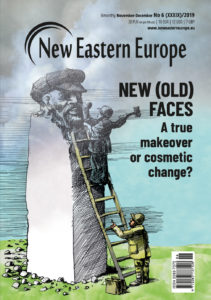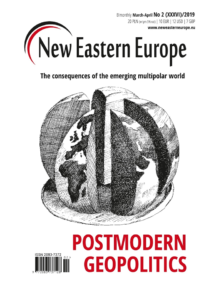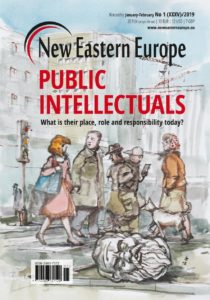

The former Slovenian politician Borut Pahor’s political trajectory defied traditional expectations. His campaign to become the president of Slovenia after a loss in popularity relied on a skilful use of public engagement both in real life and on social media.
Across the Balkan Peninsula, Muslims and Christians have prayed to the same figures under different names, drunk from the same healing springs, and gathered at the same shrines for centuries. What they shared was never theology. It was something older and more durable: hope.
The Balkans is often thought of as an area marred by conflict and its legacy today. Despite this, a great number of cultural practices unite the varied peoples of the region. This is clear regarding many things that are part of everyday life.
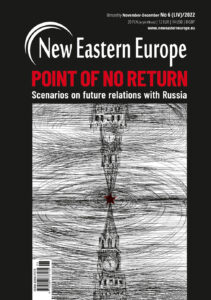
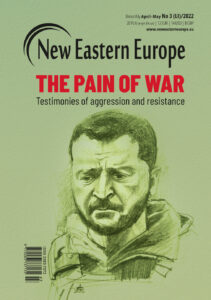
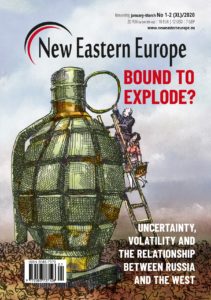
As we are well into the fifth year of Russia’s full-scale invasion of Ukraine, old questions are beginning to stir from beneath the surface, particularly: how should the West engage with Russia, if at all?
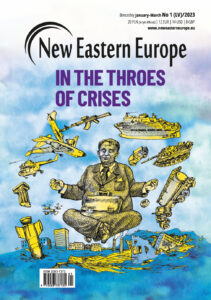
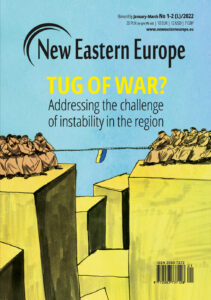
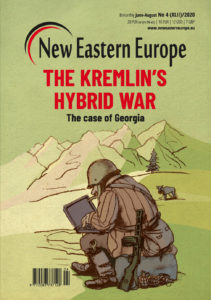
The consequences of Russia’s invasion are visible not only in Ukraine. The Kremlin has set off or exploited a series of crises that face most European countries.
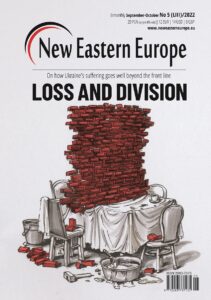
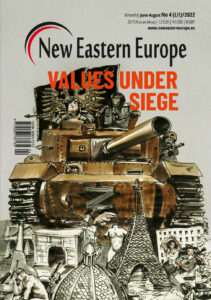
The invasion by Russian forces of Ukraine from the north, south and east – with the initial aim to take the capital Kyiv – has changed our region, and indeed our world, forever.
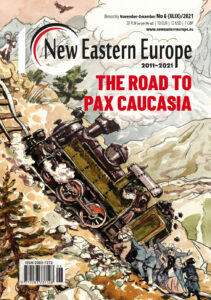
Only a year ago we witnessed the second Nagorno-Karabakh war between Armenia and Azerbaijan. It took at least 5,000 lives and significantly shifted the geopolitics in the South Caucuses.
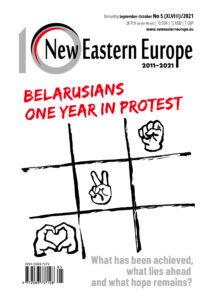
This special issue aims to honour the plight of Belarusians whose democratic choice made in August 2020 was shamelessly snubbed by Alyaksandr Lukashenka.
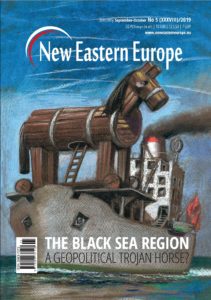
The Black Sea region is quickly becoming a geopolitical battleground which is gaining the interest of major powers, regional players and smaller countries – and the stakes are only getting higher.
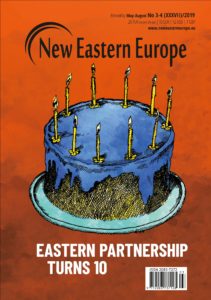
This issue is dedicated to the 10 year anniversary of the European Union’s Eastern Partnership as well as the 30 years since the 1989 revolutions in Central Europe.
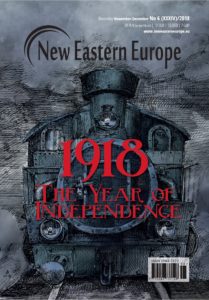
In the eastern parts of the European continent, 1918 is remembered not only as the end of the First World War, but also saw the emergence of newly-independent states and the rise of geopolitical struggles which are felt until this day.
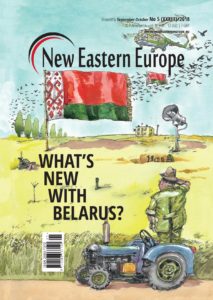
It often seems, at least from the outside, that Belarus remains isolated from the West and very static in its transformation. Yet, despite its relative isolation, Belarus is indeed changing.
We use cookies to personalise content and ads, to provide social media features and to analyse our traffic. We also share information about your use of our site with our social media, advertising and analytics partners. View more
Cookies settings
Accept
Decline
Privacy & Cookie policy
Privacy & Cookies policy
Cookies list
Cookie name
Active
Poniższa Polityka Prywatności – klauzule informacyjne dotyczące przetwarzania danych osobowych w związku z korzystaniem z serwisu internetowego https://neweasterneurope.eu/ lub usług dostępnych za jego pośrednictwem Polityka Prywatności zawiera informacje wymagane przez przepisy Rozporządzenia Parlamentu Europejskiego i Rady 2016/679 w sprawie ochrony osób fizycznych w związku z przetwarzaniem danych osobowych i w sprawie swobodnego przepływu takich danych oraz uchylenia dyrektywy 95/46/WE (RODO). Całość do przeczytania pod tym linkiem