
Text resize: A A
Change contrast

Category: Magazine

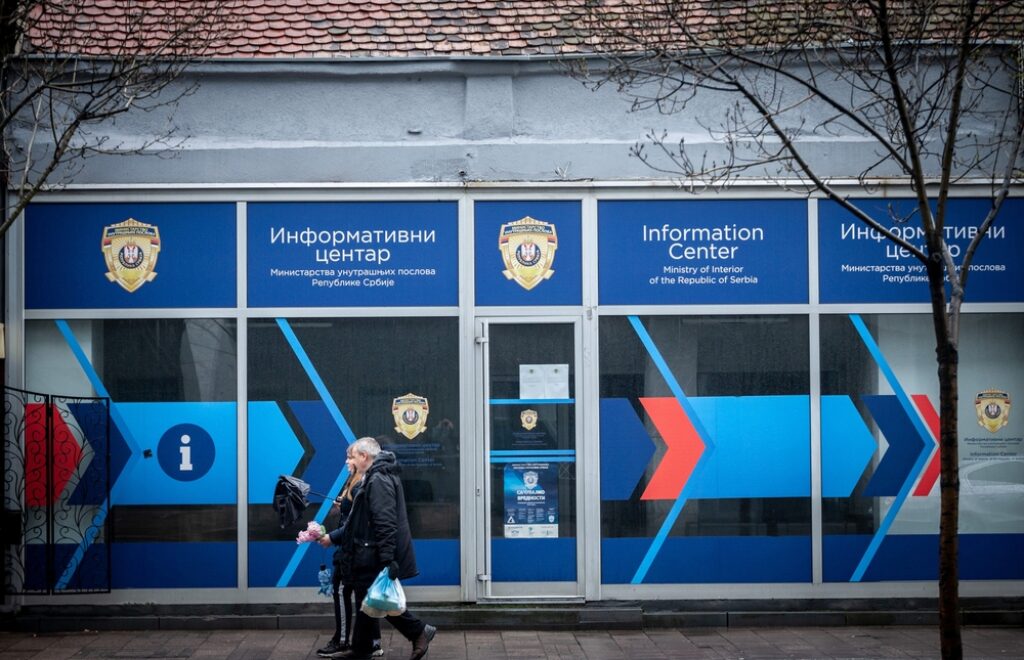
Strengthening the civil society’s resilience in Serbia

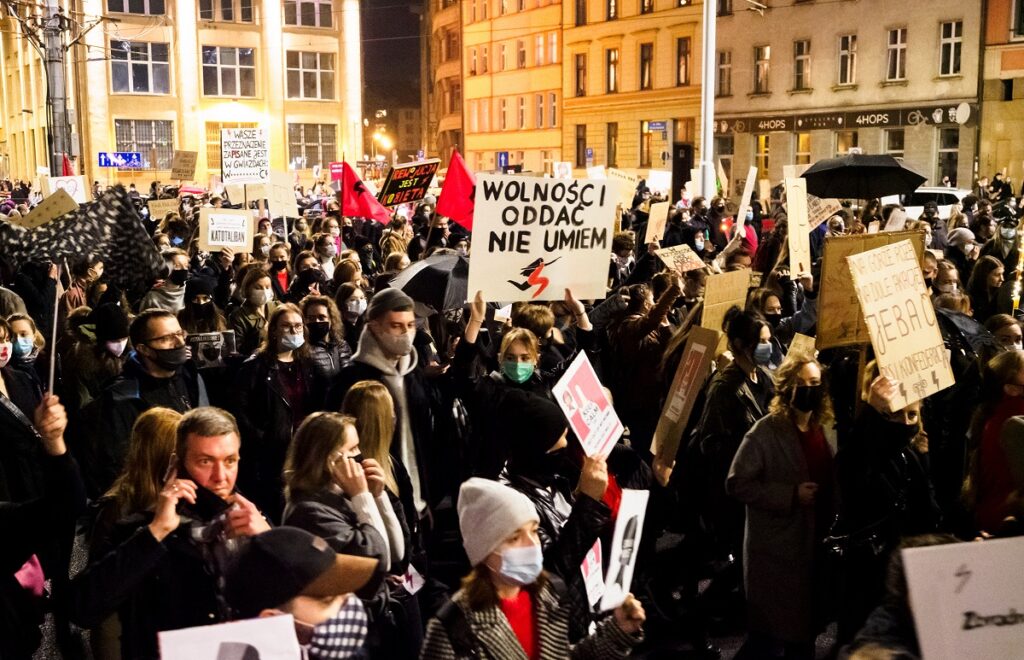
Despite growing authoritarianism and a shrinking civic space in Serbia, civil society has demonstrated remarkable resilience through grassroots environmental movements, student protests, and citizens’ assemblies. These forms of activism have expanded locally and transnationally, mobilizing citizens, especially the youth, to demand accountability and democratic reforms.

September 27, 2025 - Sofija Popović

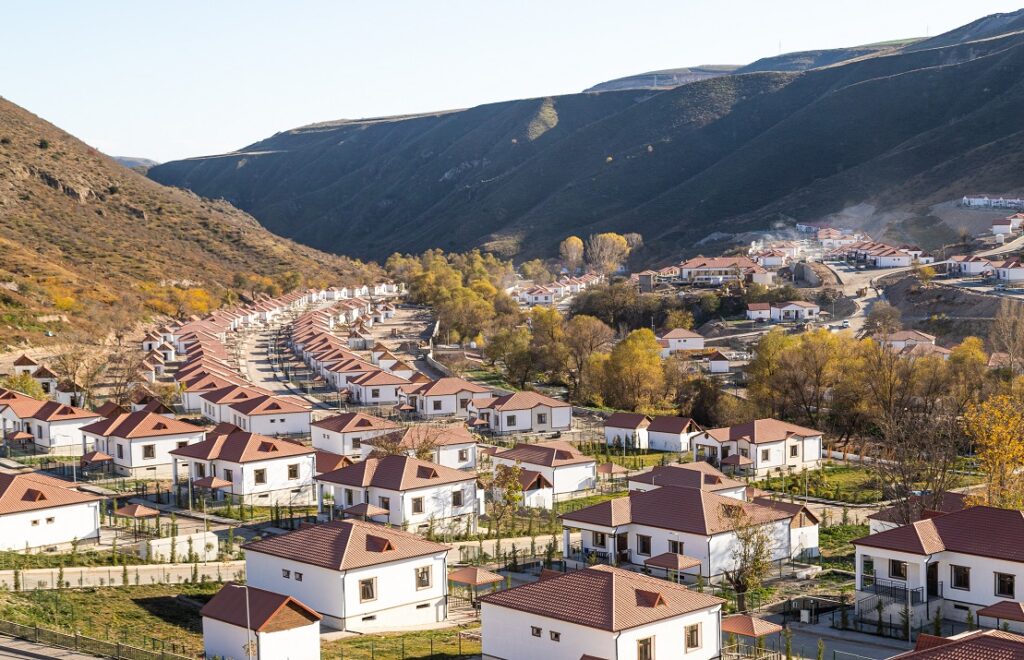
Civil society in Armenia: from peak to decline in advocacy
Faced with rising populism, polarization, socio-economic challenges, and mounting geopolitical pressure, Armenia’s civil society remains one of the key pillars of the country’s democratic resilience. Having evolved from fragmented local initiatives into a relatively mature and thematically diverse institutional sector, NGOs are entitled to play a significant role in shaping public discourse, monitoring state reforms, protecting vulnerable groups, and developing expert capacity. At the same time, the sector faces serious and growing challenges.

September 27, 2025 - Arshaluis Mgdesyan

Silenced by law: how Azerbaijan uses legislation to crush dissent

Despite early efforts towards civil society formation following independence, serious setbacks have been observed in Azerbaijan in recent decades. Restrictive legislation on the activities of NGOs, strict limitations on foreign donors to operate within the country, the de facto restriction of freedom of assembly, and pressure on independent media have all had a negative impact on organized and independent civic activism in the country.

September 27, 2025 - Zumrud Pashayeva

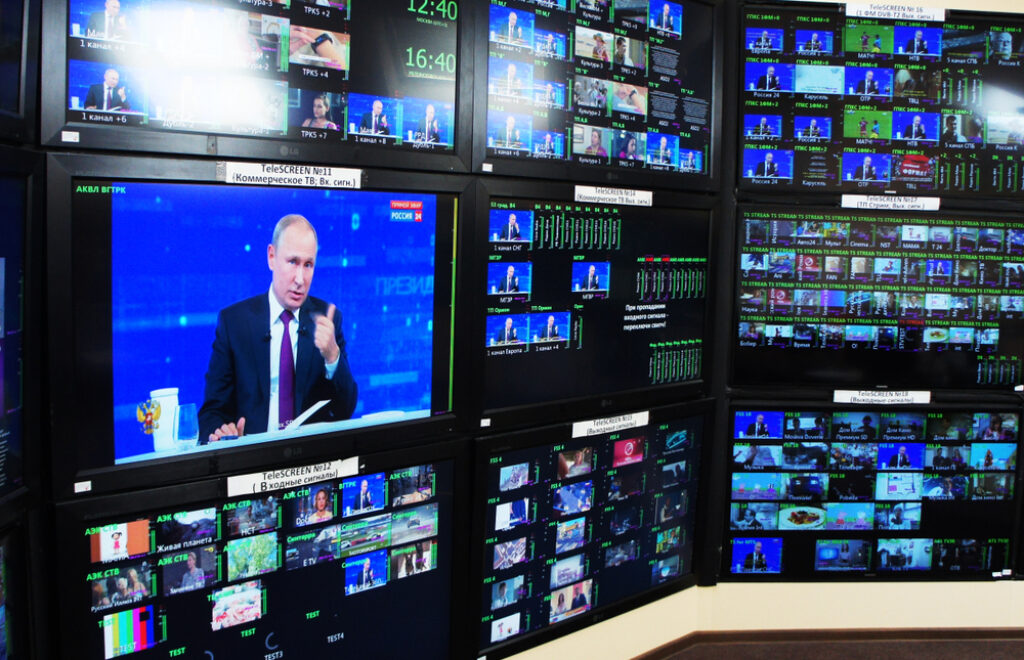
Russia’s long game in Africa and Latin America

It began with bananas and Soviet-era weapons. In early 2024, Ecuador tried to offload its ageing Russian arms stockpile to the United States, which intended to pass it on to Ukraine. Moscow responded with a trade war, partially banning Ecuadorian banana imports and sending shockwaves through the country’s economy. Within weeks, Quito backed off from the deal, caught between western alliances and dependence on Russian trade.

September 27, 2025 - Alice Volfson

Russian cultural diplomacy in Germany: between promoting Russia and undermining Ukraine

A number of facts testify to Russia’s destructive influence abroad through disinformation or direct interference in the domestic politics of countries, alongside the financing of political forces. Yet, there is another less obvious (and therefore even more dangerous) Russian Trojan horse – the institutions of cultural diplomacy, which under the cover of culture promote the Kremlin's agenda and anti-Ukrainian narratives. Despite the war, Germany still remains one of the most affected EU countries by Russian soft influence.

September 27, 2025 - Maria Protsiuk

Italy and Russia: a never-ending love story

In Italy, public scepticism about Russia’s war in Ukraine has grown, with recent polls showing declining support for Kyiv and rising neutrality. Some political figures, from both the right and the left, have tapped into this sentiment, highlighting its broad appeal across the spectrum. Understanding this trend requires looking at Italy’s unique political history, including the enduring legacy of its communist party during the Cold War.

September 27, 2025 - Aleksej Tilman

Europe’s heavy cost of dependency

While the European Union is developing plans to finally and completely cut itself off from Russian oil and gas supplies, the solutions it has found are less than ideal. This illustrates the challenge that Europe faces in overcoming its dependency on Russia, while at the same time not giving in to massive fossil fuel development. To make matters worse, Europe cannot escape the geopolitical dimension of fossil fuels.

September 27, 2025 - Raze Baziani

The disfigured spectrum: how post-communist legacies distort conservatism and democracy

Under one-party rule, political legitimacy does not come from adhering to constitutional limits but from exercising unchallenged authority in the name of the “correct” cause – once framed as ideological duty, now justified as cultural defence or popular sovereignty. The ingrained habit of bending institutions to political will, rather than letting them operate autonomously, was embedded in political culture over decades and passed on to the post-1989 elite, many of whom now lead ostensibly democratic states.

September 27, 2025 - Adam Reichardt

Trump’s “Reverse Kissinger” is wishful thinking

More than six months into his second term, US President Donald Trump has shown a willingness to revive an old geopolitical fantasy: that the United States can pry Russia away from China in a modern-day reprise of Kissinger’s Cold War diplomacy. Yet unlike in the 1970s, today’s Moscow and Beijing are bound by converging strategic interests, mutual dependence, and a shared hostility toward western dominance.

September 27, 2025 - Lucinda Ritchie

The EU-US policy divide over Belarus

As the Russia-Ukraine war grinds on with little movement towards President Donald Trump’s pledged “24-hour resolution”, other arenas have gained momentum in his second-term foreign policy. Amid this dynamic context, Minsk has recently surfaced as a new, previously untapped, yet demonstrably successful venue for his deal-making agenda – and a potential strategic lever in Washington’s efforts to shake up the war next door.

September 27, 2025 - Vitali Matyshau

Neither Kaczyński, nor Tusk. Who gets the vote of the Polish youth?

An interview with Paweł Marczewski, sociologist and head of research at the ideaForum at the Batory Foundation. Interviewer: Iwona Reichardt

September 26, 2025 - Iwona Reichardt Paweł Marczewski

When values were trampled on, Austria was never neutral

An interview with Alexander Schallenberg, former Austrian minister of foreign affairs and acting Chancellor. Interviewer: Aureliusz M. Pędziwol

September 26, 2025 - Alexander Schallenberg Aureliusz M. Pędziwol

Partners

Terms of Use | Cookie policy | Copyryight 2026 Kolegium Europy Wschodniej im. Jana Nowaka-Jeziorańskiego 31-153 Kraków
Agencja digital: hauerpower studio krakow.
We use cookies to personalise content and ads, to provide social media features and to analyse our traffic. We also share information about your use of our site with our social media, advertising and analytics partners. View more
Cookies settings
Accept
Decline
Privacy & Cookie policy
Privacy & Cookies policy
Cookie name Active
Poniższa Polityka Prywatności – klauzule informacyjne dotyczące przetwarzania danych osobowych w związku z korzystaniem z serwisu internetowego https://neweasterneurope.eu/ lub usług dostępnych za jego pośrednictwem Polityka Prywatności zawiera informacje wymagane przez przepisy Rozporządzenia Parlamentu Europejskiego i Rady 2016/679 w sprawie ochrony osób fizycznych w związku z przetwarzaniem danych osobowych i w sprawie swobodnego przepływu takich danych oraz uchylenia dyrektywy 95/46/WE (RODO). Całość do przeczytania pod tym linkiem
Save settings
Cookies settings