How Russia’s war changed the case for Romania–Moldova reunification
Moldova still lacks a stable majority for union with Romania. However, Russia’s ongoing aggression in Ukraine has made the cost of remaining a vulnerable small state much harder to ignore.
September 11, 2026 -
Ana Pisarenco
-  AnalysisIssue 5 2026Magazine
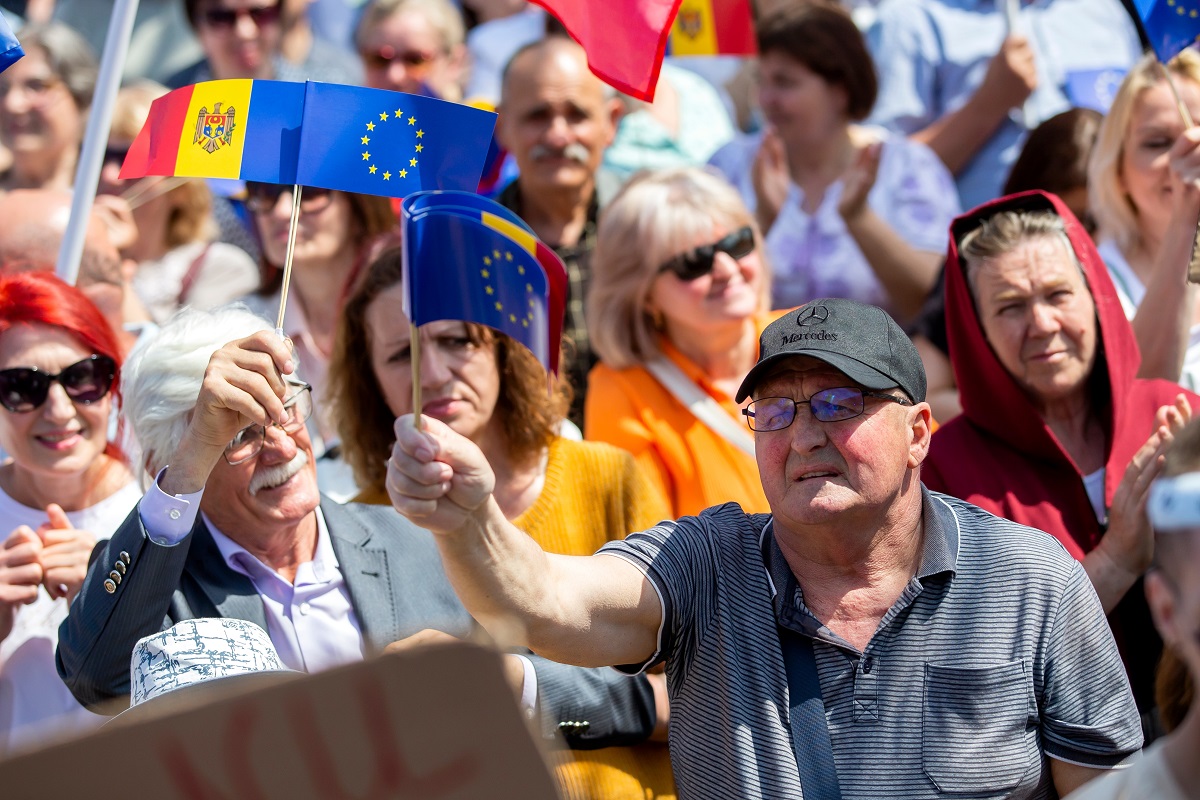
Supporters of Moldovan statehood offer the strongest argument against reunification. Moldova could continue building its institutions, complete EU accession and enter a common European legal and economic space while remaining a separate state.
Photo: Dan Morar / Shutterstock
When Moldova’s president, Maia Sandu, said that she would personally vote for reunification with Romania in a referendum, she made the case through vulnerability rather than historical grievance. A small country, she argued, faces growing difficulty in preserving democracy and sovereignty under sustained Russian pressure. Sandu may favour reunification, but she does not yet have the public support to pursue it as government policy. European Union membership remains more popular and gives her administration a route that can be advanced through negotiations and defended before the voters.
Yet, Russia’s full-scale invasion of Ukraine has changed the conditions in which Moldovans assess their state. Russian troops remain on Moldova’s internationally recognized territory. The separatist administration in Transnistria provides Moscow leverage over the country’s security and constitutional choices. Russian-linked financing and information operations have repeatedly targeted elections and political institutions. Moldova’s right to remain independent is not in question. The more challenging issue is whether, under present security conditions, independence gives the country enough power to defend its own decisions.

This article is for members only
Join the New Eastern Europe community to unlock this article — plus enjoy full access to premium content, our digital archive, newsletter insights, and podcast updates.
BECOME A MEMBER!
Already a member? Sign in to read the full article.
 Moldova, Reunification, Russia, Transnistria