Buns, bigos, and beauty. Polish success stories in post-Brexit Britain
Ten years since Britain’s decision to leave the EU, the country is far from better off. Poland, on the other hand, is wealthier than ever. Many Polish nationals have packed up and returned home. So why are others staying?
September 11, 2026 -
Ottilie Tabberer
-  Issue 5 2026MagazineStories and ideas
Stockport Market, UK. Morning. I start my shift with 21-year-old Kuba, Poland-born, Warrington-raised. Today is Tłusty Czwartek (Fat Thursday), a Christian tradition that marks the last Thursday before Lent, giving people licence to guzzle sweet, fatty foods ahead of the 40-day fasting period. We lay out paper and wait for the delivery. Since one o’clock in the morning, the bakers have been forming, frying and filling 2,000 doughnuts, the top treat for Poles today. I write the flavours on the glass display case in chalk pen: rose marmalade, vanilla custard, apple and cinnamon, blackcurrant jam, Biscoff cream. It is set to be a busy day.
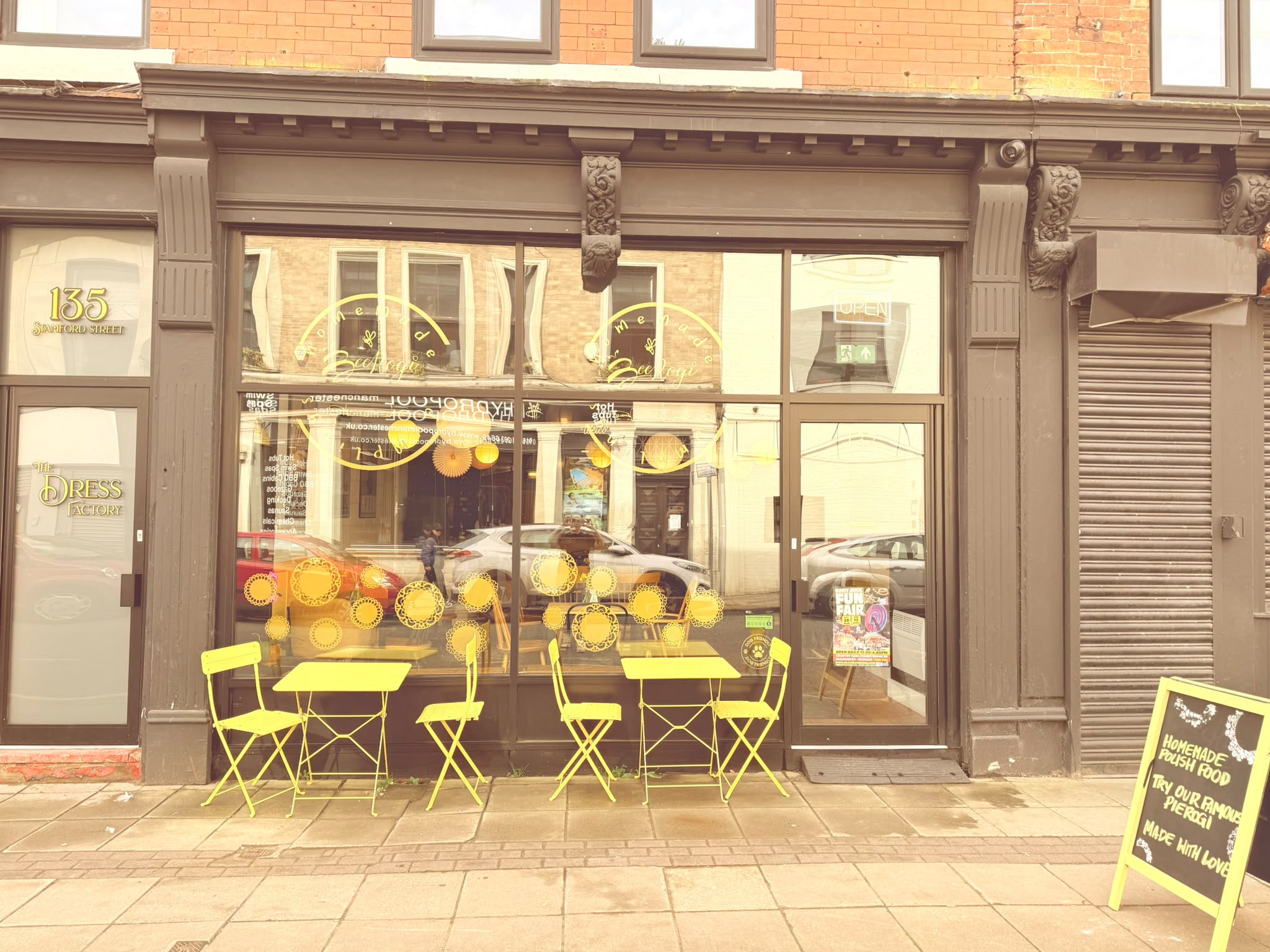
Sticky Fingers, a bakery owned by a young Polish couple, is one of many Polish businesses in Greater Manchester that serve as hubs for Poles; some expect to be served in Polish, while others visibly express joy at being able to order in their native tongue. Some Polish customers have roots that stretch back to their grandfathers, who came to Britain either during or directly after the Second World War. Other arrivals came after 2004, following the enlargement of the EU. Yet, recent developments, including Brexit and Poland’s acceleration into its “second Golden Age”, have reduced and even reversed this trend, making the approximate number of Poles living in the UK today around 700,000 – down from around one million in 2016.

This article is for members only
Join the New Eastern Europe community to unlock this article — plus enjoy full access to premium content, our digital archive, newsletter insights, and podcast updates.
BECOME A MEMBER!
Already a member? Sign in to read the full article.